Viva Raw Pet Food Recall: Salmonella Contamination Alert
Viva Raw has recalled select lots of its raw pet food after testing detected Salmonella contamination, adding another name to 2026’s growing list of raw diet recalls and renewing debate about the safety of feeding raw.
Viva Raw markets itself to health-conscious pet owners who want minimally processed nutrition for their dogs and cats. The brand’s appeal lies in its direct-to-consumer model and emphasis on fresh, whole ingredients — qualities that make a pathogen recall particularly jarring for its customer base.
Which Viva Raw Products Are Recalled
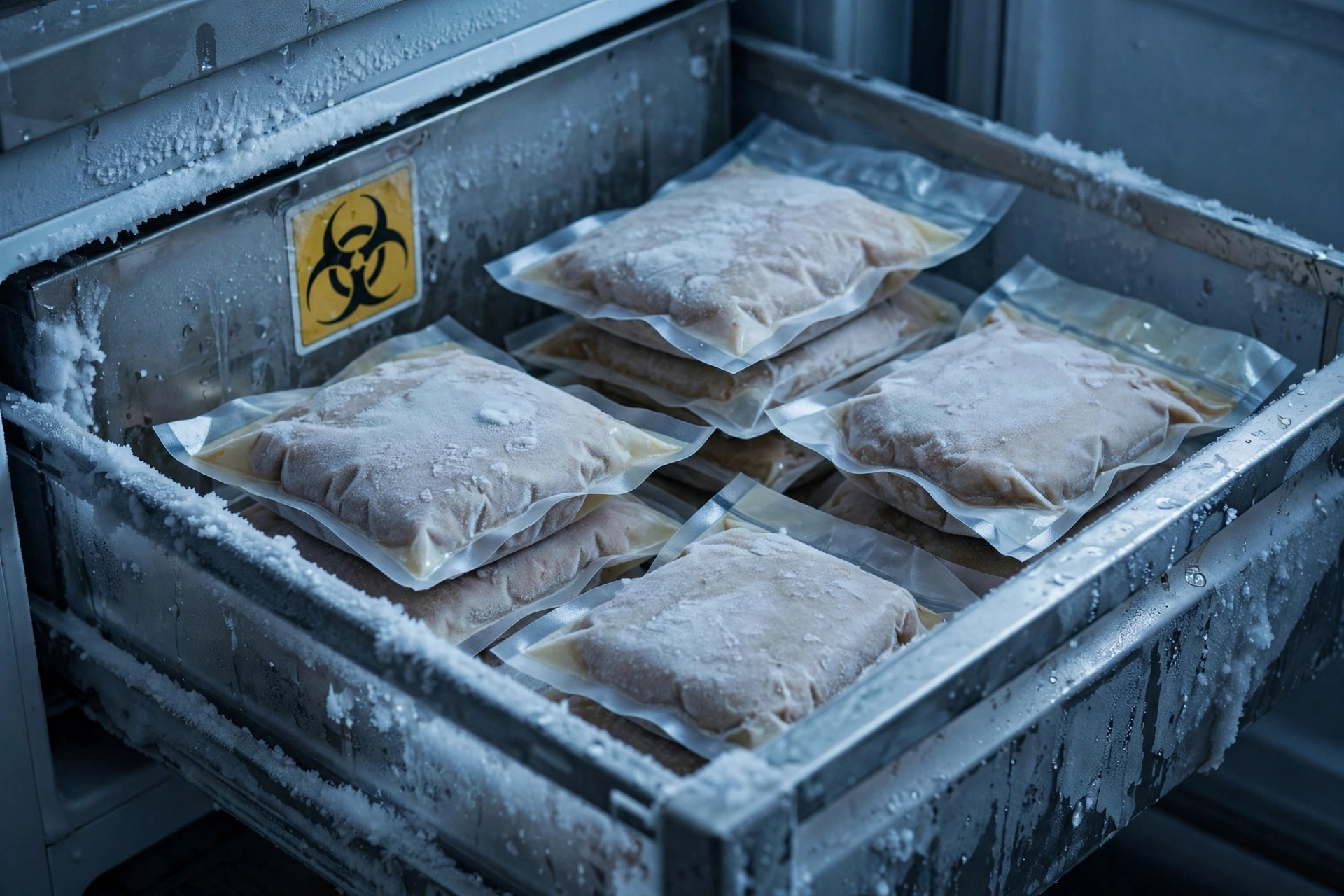
The recall covers specific lots of Viva Raw pet food identified in the company’s announcement. Because raw pet food is often sold frozen with long freezer life, recalled products may have been in customers’ freezers for weeks or months before the recall was announced.
Check every Viva Raw package in your freezer against the official lot list. Raw food packaging sometimes has lot codes printed in hard-to-read locations — check all panels, including seals and edges.
Salmonella in Raw Pet Food: Why It Keeps Happening
Raw pet food carries inherently higher bacterial risks than cooked food. The pathogens of concern — Salmonella, Listeria, E. coli, Campylobacter — are naturally present in raw meat. Cooking eliminates them; raw feeding preserves them.
The raw pet food industry argues that proper handling, high-pressure processing (HPP), and rigorous testing manage these risks. Critics, including the FDA and most veterinary nutritionists, counter that the recall record tells a different story: raw products are recalled for pathogens at rates far exceeding conventional cooked pet foods.
Viva Raw’s recall follows the same pattern seen in the Raaw Energy case, where federal testing found not one but four different pathogens across the company’s raw product line. The recurrence of these findings across different manufacturers suggests the problem is structural to the category, not limited to individual bad actors.
The Dual Risk: Pets and People
Salmonella-contaminated raw pet food threatens both animals and humans:
In pets: vomiting, diarrhea (sometimes bloody), fever, lethargy, loss of appetite. Some pets become asymptomatic carriers, shedding bacteria while appearing healthy.
In people: nausea, vomiting, diarrhea, abdominal cramps, fever. Young children, elderly individuals, pregnant women, and immunocompromised people face the highest risk of severe illness.
Raw food amplifies the human risk because preparation involves extensive handling — thawing, portioning, and serving raw meat, then cleaning bowls, utensils, and surfaces. Each step is a contamination opportunity that does not exist with dry kibble.
What Viva Raw Customers Should Do
- Audit your freezer today. Pull every Viva Raw package and check lot codes against the recall notice.
- Do not feed recalled lots. Do not cook the food to “save” it — cooking does not reliably eliminate all risks, and the product should be treated as contaminated.
- Double-bag and discard recalled products where pets, children, and wildlife cannot access them.
- Sanitize aggressively. Wash bowls, scoops, thawing trays, freezer shelves, and countertops with hot soapy water followed by disinfectant. Raw food contact surfaces need more thorough cleaning than kibble bowls.
- Wash your hands thoroughly after handling any raw pet food — recalled or not.
- Monitor pets for gastrointestinal symptoms and contact your veterinarian if they appear.
- Contact Viva Raw about refunds or replacements for recalled lots.
The Raw Feeding Debate: Where Things Stand
The FDA has stated plainly that it does not believe raw pet food is consistent with the goal of protecting public health from significant health risks. The American Veterinary Medical Association and the American Animal Hospital Association have policies discouraging raw feeding. Most board-certified veterinary nutritionists advise against it.
Raw feeding advocates argue that recalls also affect kibble, that their pets thrive on raw diets, and that proper handling mitigates risk. These points have some merit — conventional pet food is recalled too — but the data on relative risk is not close: raw products account for a disproportionate share of pathogen recalls relative to their market share.
If You Continue Feeding Raw
For pet owners committed to raw feeding despite the risks, harm reduction matters:
- Buy only from companies that test every batch and publish results — ask for proof, not promises.
- Prefer HPP-treated raw products, which undergo high-pressure processing to reduce bacterial loads.
- Practice strict kitchen hygiene — treat raw pet food with the same precautions as raw chicken for human consumption.
- Keep raw away from vulnerable people. Households with infants, elderly members, or immunocompromised individuals face higher stakes.
- Stay on recall alert lists. Raw feeders should check FDA recall notices at least monthly — the category’s recall rate demands vigilance.
The Takeaway
The Viva Raw recall is another data point in a clear trend: raw pet food carries elevated pathogen risks that repeatedly materialize as recalls. Pet owners deserve honest information about those risks — not marketing that minimizes them. Whether you feed raw or kibble, the fundamentals are the same: check lot codes, watch for recalls, handle food safely, and report problems when you find them.