Pedigree Dog Food Recall: Metal and Plastic Contamination
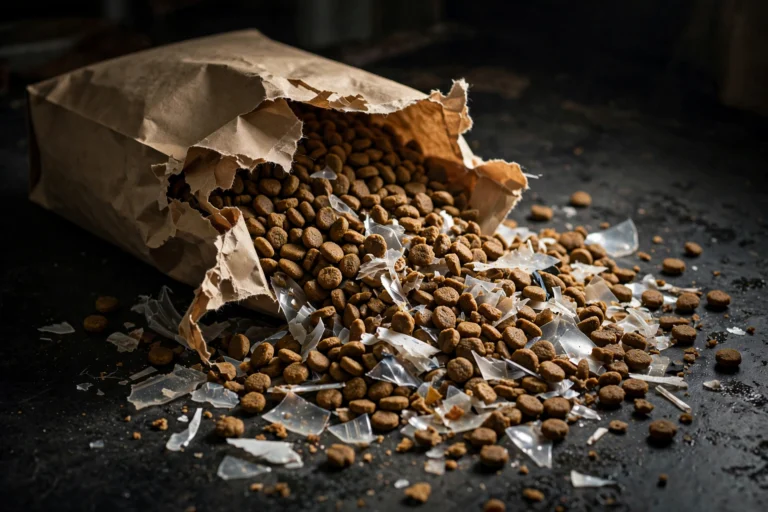
Pedigree has recalled select dog food products after the discovery of potential metal and plastic contamination, a foreign-material recall affecting one of the world’s most widely sold dog food brands.
Pedigree, manufactured by Mars Petcare, is a fixture in supermarkets and big-box stores worldwide. Its mass-market reach means a recall — even limited to specific lots — potentially affects millions of households, making rapid consumer awareness critical.
Which Pedigree Products Are Recalled
The recall covers specific lots of Pedigree dog food where metal fragments, plastic pieces, or both may be present. Dog owners should check the lot codes on all Pedigree products in their homes against the company’s official recall announcement.
Because Pedigree is sold in large bags that last for weeks, recalled product may already be partially consumed. Check the lot code on the bag itself — not your memory of when you bought it — since retailers sometimes sell through recalled inventory before notices reach every store.
Why Metal Contamination Is Especially Dangerous
Among foreign materials, metal fragments are among the most hazardous:
- Sharp edges cause lacerations to the mouth, esophagus, stomach, and intestines
- Metal does not degrade — unlike some organic foreign material, it will not break down in the digestive tract
- Obstruction risk — larger pieces can block the intestines, requiring emergency surgery
- Perforation risk — sharp fragments can puncture the bowel wall, causing peritonitis, a life-threatening emergency
- Toxicity — certain metals can leach harmful substances, particularly with prolonged contact in the acidic stomach environment
Plastic pieces carry similar mechanical risks — choking, obstruction, perforation — though without the toxicity concern.
Warning Signs in Your Dog
If your dog ate a recalled lot, watch for:
- Pawing at the mouth, drooling, or difficulty swallowing
- Vomiting — especially repeated episodes or vomiting blood
- Refusal to eat or crying while eating
- Abdominal pain — hunched posture, whimpering, reluctance to move
- Bloody or black, tarry stool
- Lethargy, collapse, or pale gums — signs of internal bleeding, seek emergency care immediately
What Pedigree Customers Should Do
- Stop feeding the product immediately if the lot code matches the recall — even if your dog seems fine.
- Save the bag with the lot code visible. You will need it for a refund and as evidence if your dog requires veterinary care.
- Contact Mars Petcare or your retailer for refund or replacement instructions.
- Monitor your dog for 72 hours after the last potentially contaminated meal, watching for the symptoms above.
- Seek veterinary care promptly for any concerning symptom — do not adopt a wait-and-see approach with potential foreign material ingestion.
- Report the issue to the FDA’s Safety Reporting Portal if your dog was affected.
How Metal and Plastic Enter Dog Food
In large-scale kibble manufacturing, foreign material typically enters through equipment wear (metal shavings from grinders, mixers, or extruders), broken machinery components, contaminated raw ingredients from suppliers, or packaging failures. Facilities run metal detectors on production lines, but no detection system catches everything — small fragments, non-ferrous metals, and plastic pieces routinely evade standard equipment.
The scale of Pedigree’s production amplifies both the risk and the response challenge. When a company produces millions of bags, even a brief equipment failure can contaminate an enormous volume of product before detection — which is why lot-level recalls, while disruptive, are the correct response.
What This Recall Reveals About Mass-Market Pet Food
Pedigree’s recall arrives in a year already crowded with pet food safety failures across brands and categories. The breadth of 2026’s recall activity — spanning raw, premium, and mass-market products alike — suggests industry-wide quality pressures rather than isolated lapses.
For budget-conscious pet owners, who disproportionately rely on brands like Pedigree, recalls carry an extra sting: the affordable option they trusted is now the source of a veterinary emergency they can ill afford. This is why consumer advocates argue that food safety is not a premium feature — it is the minimum obligation of every manufacturer at every price point.
Protecting Your Dog on Any Budget
- Sign up for free FDA pet food recall alerts — email notifications cost nothing and arrive the day recalls are announced.
- Check lot codes when you open a new bag, not just when you hear about a recall.
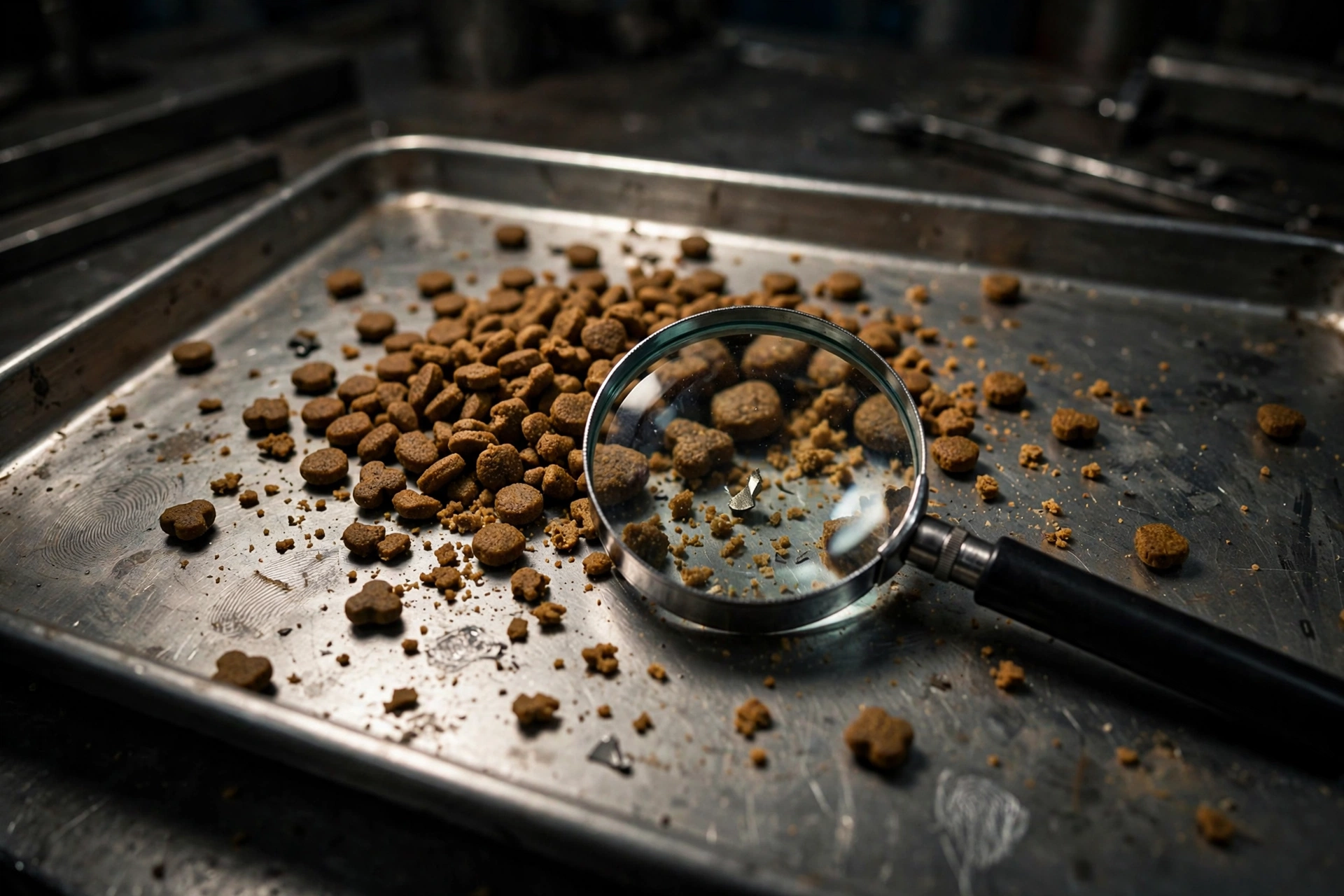
- Look at the kibble before you pour. Discolored pieces, unusual shapes, or visible foreign objects are stop signs.
- Keep the bag until it is empty. Lot codes are your only proof if a recall is announced mid-bag.
- Know your emergency vet’s number before you need it — foreign material emergencies do not wait for business hours.
The Pedigree recall underscores a simple reality: no brand, at no price point, is exempt from manufacturing failures. Vigilance — checking codes, watching for symptoms, reporting problems — is the pet owner’s best defense.
How to Stay Ahead of the Next Recall
Recalls are announced on a rolling basis throughout the year, and most pet owners only hear about the ones that make headlines. To stay genuinely informed, bookmark the FDA’s animal food recall database and check it on the first of each month — a habit that takes two minutes and can prevent a crisis. Follow pet food safety news sources that track recalls as their primary beat. And consider joining online pet owner communities where recall news spreads fast; fellow pet owners are often the first to flag lot-specific problems. The pet owners who fare best in recalls are not the ones with the most expensive food — they are the ones who hear about problems first.