Darwin’s Pet Food Recall: The FDA Advisory the Maker Refused to Act On
The Darwin’s pet food recall story has an unusual twist: there is no recall. The U.S. Food and Drug Administration tested six lots of Darwin’s Natural Selections raw cat and dog food, found Salmonella in all six samples and Listeria monocytogenes in one of them, and recommended that the maker, Arrow Reliance, Inc., pull every affected lot. To date, the company has not recalled the products — so the FDA issued a public advisory instead, warning owners not to feed the food.
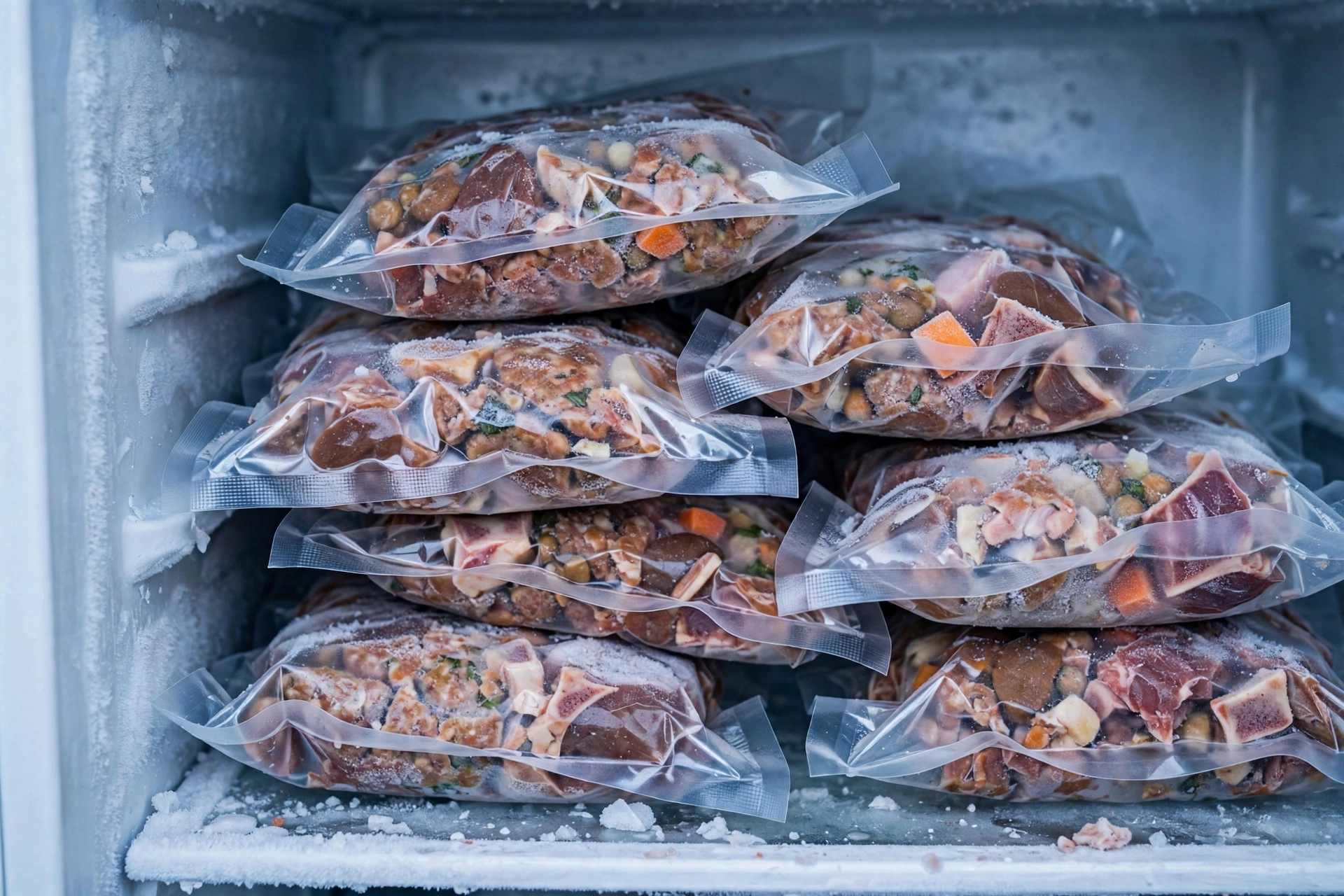
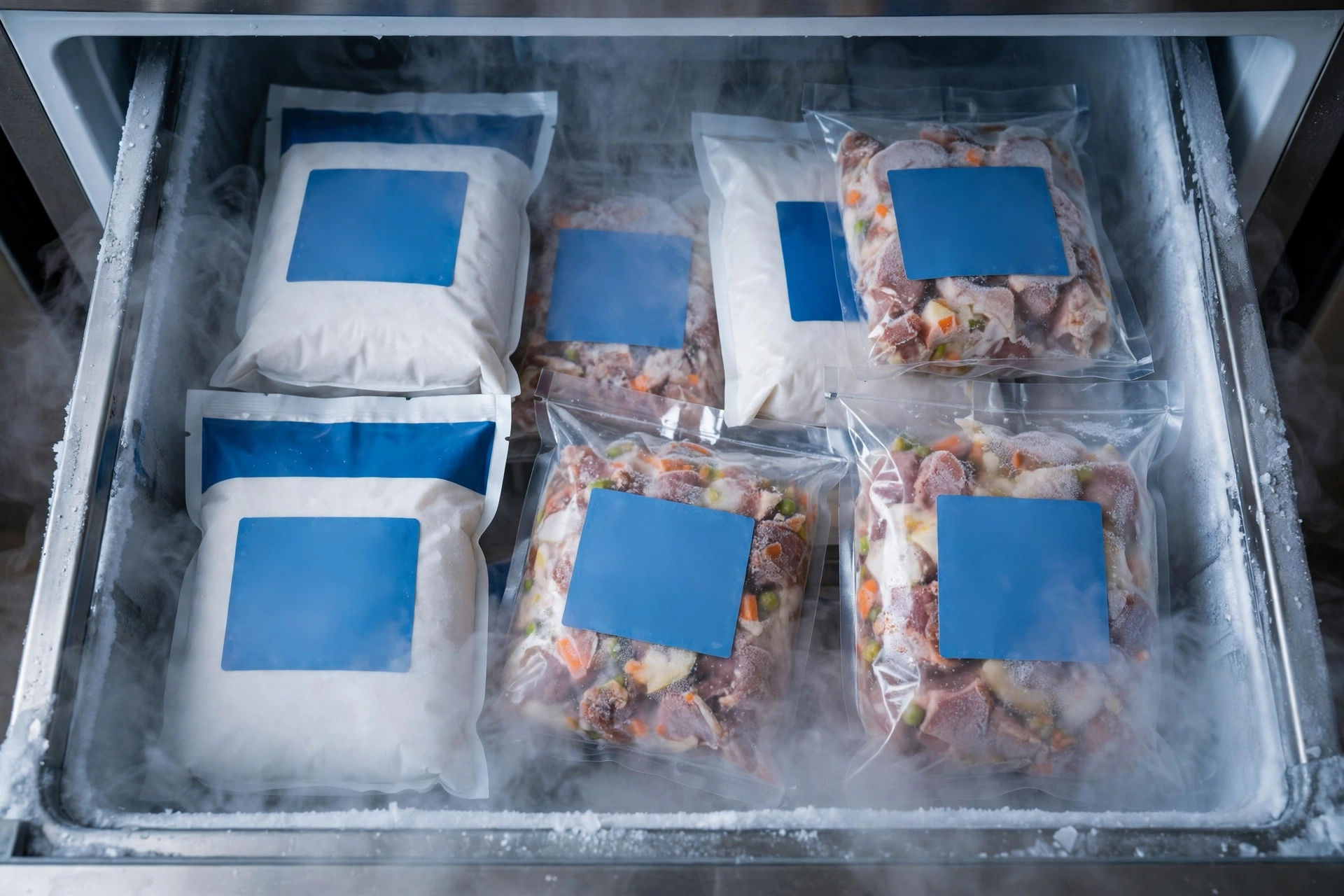
Because Darwin’s sells its frozen raw food online through a subscription service, affected packages may still be sitting in freezers across the country — and, in the FDA’s words, the firm “could continue to distribute them.” If you feed Darwin’s, checking your freezer is not optional.
Which Darwin’s Products Are Affected
The advisory covers frozen 2-pound packages of Darwin’s Natural Selections Antibiotic & Grain-Free Chicken Recipe, in both the cat and dog versions. Each package is white and clear plastic with four separate units; the dog food carries blue labeling and the cat food blue and green labeling. The lot code is printed on the front of the lower-left unit of the package.
Check for these lot numbers before feeding:
Chicken Recipe for Cats
- Lot 10832 — manufactured July 25, 2024
- Lot 10856 — manufactured August 4, 2024
- Lot 10890 — manufactured August 13, 2024
Chicken Recipe for Dogs
- Lot 10828 — manufactured July 24, 2024
- Lot 10844 — manufactured July 30, 2024
- Lot 10887 — manufactured August 12, 2024
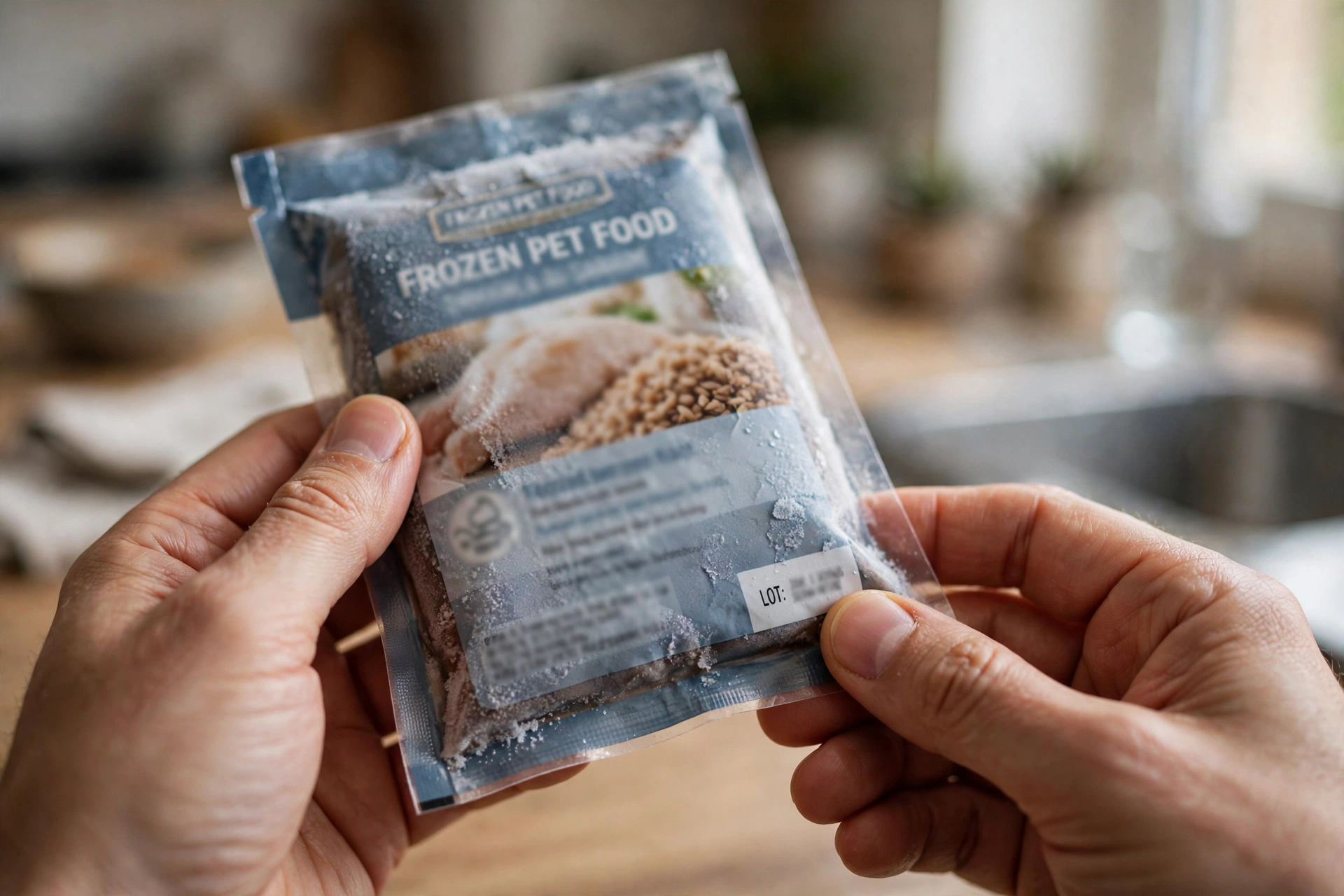
Five of the FDA’s samples tested positive for Salmonella; the sixth tested positive for both Salmonella and Listeria monocytogenes. If you no longer have the package, or the lot code is unreadable, the FDA’s advice is blunt: throw the food away anyway.
Why This Advisory Is Different
In most cases on this site, a contamination finding leads to a voluntary recall within days — see our coverage of the Viva Raw pet food recall, where the company pulled its products after similar findings. Here, the FDA took the rarer step of warning the public directly because the firm declined to recall, and is urging subscribers to check every package against the lot list before each feeding.
The advisory also lands on top of a much longer dispute. In August 2026, the U.S. Department of Justice filed a civil complaint against Arrow Reliance and its founder and CEO, Gary T. Tashjian, asking a federal court to permanently stop the company from manufacturing and selling adulterated pet food. The government alleges that FDA testing between 2017 and 2025 found Salmonella, Listeria monocytogenes, and Shiga toxin–producing E. coli in finished products, and that investigators found Salmonella inside the company’s Tukwila, Washington facility in 2024. Those allegations have not been proven in court, and Tashjian has said the company strongly disagrees with the FDA’s claims.
Symptoms to Watch For
Salmonella and Listeria can sicken both pets and the people who handle their food — and infected pets can shed both bacteria in their feces without looking ill themselves. Freezing does not kill either organism.
In dogs and cats, watch for:
- Vomiting and diarrhea, which may be bloody
- Fever and loss of appetite
- Decreased activity or lethargy
Listeria infections are uncommon in pets but possible, with signs that can include diarrhea, fever, depression, and nervous or respiratory symptoms.
In people, Salmonella typically causes diarrhea, fever, and abdominal cramps. Listeriosis can cause headache, stiff neck, confusion, loss of balance, and convulsions alongside fever and muscle aches — and it is especially dangerous for pregnant women, newborns, adults over 65, and anyone with a weakened immune system.
If your pet shows these signs after eating Darwin’s, call your veterinarian. If you develop symptoms after handling the food, contact your health care provider.
What To Do If You Have These Lots
- Stop feeding the product and throw it away in a secure container where other animals, including wildlife, cannot reach it. Do not donate it.
- Check the lot code on every remaining package before feeding — including any new subscription deliveries.
- Clean and disinfect everything the food touched: storage containers, bowls, utensils, food prep surfaces, bedding, litter boxes, toys, floors, and your refrigerator and freezer.
- Wash your hands thoroughly after handling the food or cleaning up, and clean up your pet’s feces promptly.
- Report any illness to the FDA through its Safety Reporting Portal, and tell your veterinarian what your pet ate.
The Bottom Line for Raw Food Feeders
Raw pet food carries a documented, recurring contamination risk, and this advisory shows the system working exactly as it should — testing, disclosure, and a public warning when a company won’t act on its own. Whether you stay with raw food or not, keep the packaging until the food is gone, check lot codes when advisories drop, and treat every freezer-stored package as checkable rather than automatically safe.
Source: FDA advisory, September 30, 2026 (updated October 2, 2026)