Iams Dog Food Recall History: From the Melamine Crisis to a Decade Without a Recall
Searching for an iams dog food recall brings up one of the longest-running names in pet food, and a recall record that reads like a condensed history of the industry’s worst decade. Iams, founded in 1946 and now owned by Mars Petcare, was caught up in the melamine crisis of 2007, then in a run of recalls between 2010 and 2013 covering Salmonella, aflatoxin, low thiamine, and mold. Since August 2013, there has been no Iams recall at all, a clean stretch of more than a decade that is now the most important fact about the brand for shoppers today.
This report lays out each episode with its dates, products, and hazards, separates the Iams recalls from the much larger industry events they were part of, and explains what to check on a bag bought today.
The Short Answer: Five Episodes, Then Nothing Since 2013
Iams’ documented recall history, in brief:
- March 2007: 43 products, including cat foods and Chunks, Select Bites, and Small Bites dog foods, recalled as part of the melamine contamination crisis that eventually affected more than 100 brands.
- June to August 2010: Several ProActive Health kitten and cat formulas recalled over low thiamine levels, followed by Veterinary Formulas Feline Renal formula and Indoor Weight Control cat food recalled over potential Salmonella contamination.
- December 2011: ProActive Health Smart Puppy dry food recalled because aflatoxin levels were above acceptable limits.
- March 2013: Shakeables Dog Treats recalled voluntarily over potential mold growth.
- August 2013: 28 dry dog and cat food products recalled over potential Salmonella contamination. This was the last Iams recall.
No Iams recall has been recorded since August 2013. Every documented Iams recall is tied to production dates that passed more than a decade ago, and none covers food currently on shelves.
The 2007 Recall: Melamine and a Crisis That Changed Pet Food Law
The 2007 episode was not really an Iams story. It was an industry catastrophe in which Iams was one of many brands caught by the same contaminated ingredients. Wheat gluten and rice protein concentrate imported from China were found to contain melamine, an industrial chemical used in plastics and fertilisers that is not approved for food. Melamine, combined with a related compound, cyanuric acid, forms crystals in the kidneys that can cause kidney failure and death.
In March 2007, Iams recalled 43 products, including various cat foods and its Chunks, Select Bites, and Small Bites dog foods. The wider crisis eventually involved more than 100 brands and over 100 million units of pet food, and it sickened and killed thousands of dogs and cats across North America. It was the event that pushed pet food safety from a voluntary industry matter toward formal regulation, and it led directly to the FDA Food Safety Modernization Act’s animal food rules and to the modern system of preventive controls that manufacturers now have to document.
For owners, the lesson of 2007 is about ingredients, not brands. The contaminated ingredient entered the supply chain through a supplier, and it reached brands that had no direct connection to each other. That is why a recall list from 2007 reads like a catalogue of the whole pet food aisle, and why the industry’s response was to tighten supplier verification rather than to blame any single label.
The 2010 Recalls: Thiamine, Then Salmonella, in Cat Foods
Three years later, Iams faced a cluster of smaller recalls, all in cat foods. In June 2010, several ProActive Health kitten and cat formulas were recalled over low levels of thiamine, vitamin B1. Thiamine deficiency in cats is a slow problem rather than a sudden poisoning: cats fed a deficient diet over weeks can develop loss of appetite, weight loss, vomiting, and in severe cases neurological symptoms including loss of coordination and seizures.
In July 2010, Veterinary Formulas Feline Renal formula was recalled over potential Salmonella contamination, and in August 2010, Indoor Weight Control cat food followed for the same reason. Salmonella in cat food carries the same household risk as Salmonella in dog food: the bacteria can sicken the cat, and it can sicken the people handling the food, especially children, older adults, and anyone with a weakened immune system. Symptoms in cats include lethargy, diarrhoea, fever, vomiting, and loss of appetite, though some infected cats show no symptoms while shedding the bacteria.
The 2010 cluster is a reminder that recall histories are often organised by species in ways that matter for search. A dog owner searching “Iams dog food recall” may find the 2010 cat food recalls first and assume they applied to dog food. They did not. The dog food side of Iams’ record in 2010 was quiet; the problems that year were in kitten and cat formulas.
The 2011 Recall: Aflatoxin in Smart Puppy
In December 2011, Iams recalled ProActive Health Smart Puppy dry food because aflatoxin levels were above acceptable limits. Aflatoxin is a toxin produced by mould that grows on grain, particularly corn, in warm and humid storage conditions. It is not a bacteria, and it cannot be washed or cooked out of food at home. In dogs it attacks the liver, and the early signs can be easy to miss: lethargy, loss of appetite, and vomiting, followed in severe cases by jaundice, the yellowing of the gums and eyes that signals liver damage.
The 2011 recall was limited to Smart Puppy dry food, and it is sometimes confused with the much larger aflatoxin recall of 2005, which involved Diamond’s Gaston plant and killed at least 76 dogs. The two events are separate, years apart, and from different manufacturers. Aflatoxin is a recurring hazard in pet food precisely because it comes from grain storage conditions, which is why manufacturers now test corn and other grains for it before they enter production, and why the FDA sets action levels for aflatoxin in animal food.
The 2013 Recalls: Mold in Treats, Then Salmonella in Dry Food
Iams’ final recall year, 2013, brought two unrelated events. In March 2013, the company voluntarily recalled Shakeables Dog Treats over potential mold growth. Mold in treats is a quality and safety problem that can cause stomach upset, and in some cases mycotoxin exposure, but it is a different order of hazard from Salmonella or aflatoxin, and the recall was limited to the treats line.
In August 2013, Iams recalled 28 dry dog and cat food products over potential Salmonella contamination. This was the largest Iams recall since 2007 by product count, and it is the last entry in the brand’s record. No illness reports were widely attached to the August 2013 recall in the way that illnesses were attached to the 2007 and 2012 industry events, and the recall was issued on the basis of potential contamination found in testing rather than after an outbreak.
It is worth noting what does not appear in Iams’ record after 2013. Some low-quality roundup sites now attach Iams recalls to 2017 or 2022, but the established recall trackers agree that the last Iams recall was in August 2013, and no Iams recall was recorded in 2024 or 2025. Shoppers who see a recent Iams date should ask for a product code and an FDA report, because the documented record simply does not support it.
Why Iams’ Record Looks Worse Than It Is, and Better Than It Was
Iams is an old brand, and old brands accumulate recall histories the way old companies accumulate headlines. Founded in 1946 by Paul Iams, the company has been selling pet food for eighty years, through eras when testing was weaker, supply chains were less traceable, and regulation was lighter. A brand launched in 2015 with the same number of recalls would be a red flag. A brand founded in 1946 with five recall episodes, the last more than a decade ago, is a different picture.
The other context is ownership. Iams is now made by Mars Petcare, one of the largest pet food manufacturers in the world, which also makes Pedigree, Cesar, and Royal Canin. Mars’ scale means its recalls make news, and its testing catches problems that a smaller company might miss. It also means Iams benefits from the same preventive-controls systems that the post-2007 rules required of every large manufacturer.
None of this erases the 2007 crisis, in which Iams products were part of an event that killed pets, or the 2010 to 2013 run of recalls. But a record that ends in 2013 is, for a shopper in 2026, a record of history rather than a warning about the bag in the cupboard.
How to Check Any Iams Product
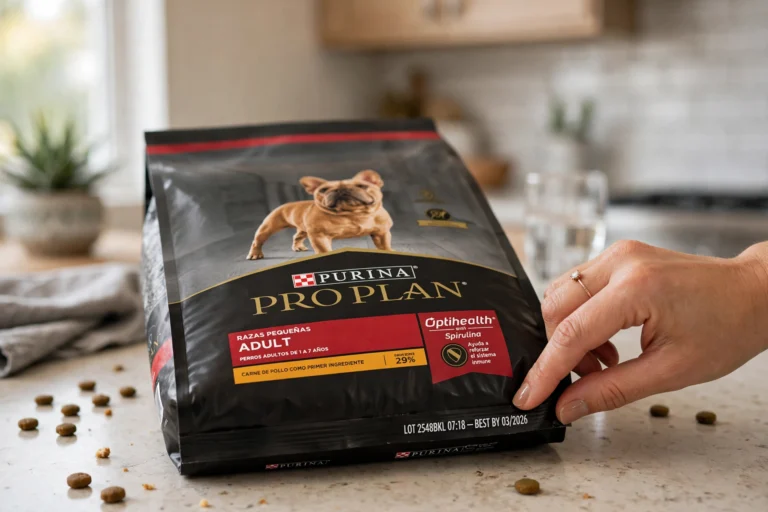
The checking habit is the same for Iams as for any brand. Keep the bag until it is finished, so the product name, lot code, and best-by date are available. Compare all three against any recall notice, not just the brand name. For Iams’ 2013 recall, the product list mattered: 28 specific dry foods, not the whole Iams range. For the 2011 recall, the check was a single product, Smart Puppy dry food. A headline that says “Iams recalled” without a product list is not enough information to act on, and it is usually describing an event from 2007 or 2013 rather than a current one.
If a product matches a recall, stop feeding it, follow the return or disposal instructions in the notice, wash hands and bowls, and contact a veterinarian if the dog or cat shows symptoms. Photographing the lot panel of each new bag turns a later news story into a quick comparison, and for dry food, which is handled daily by the whole household, that habit protects people as well as pets.
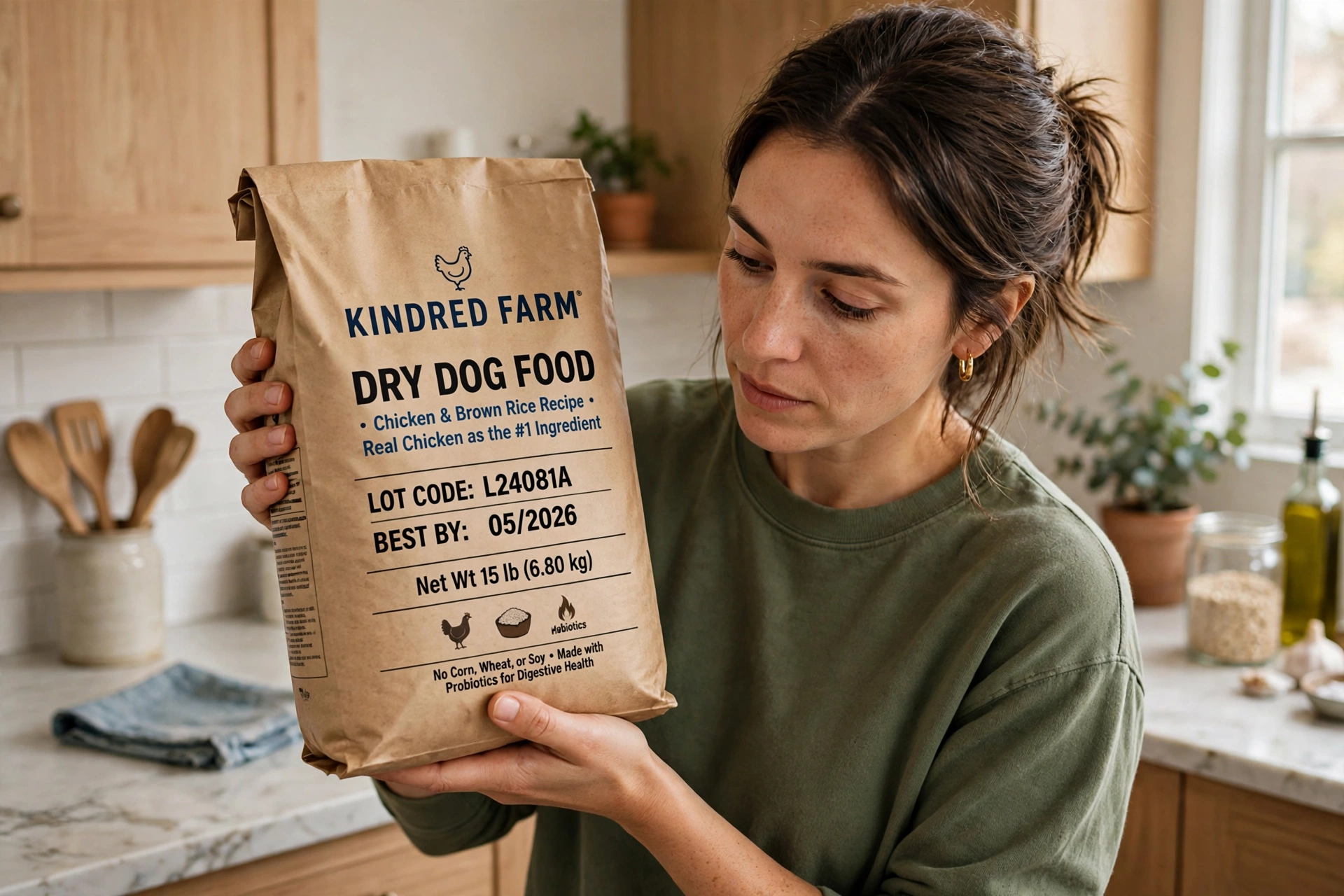
Source: FDA recall notices, March 2007, June to August 2010, December 2011, March 2013, and August 2013. For another major recall history, see our report on the Merrick dog food recall.
The Bottom Line on Iams
Iams’ recall history is real and serious: melamine in 2007, thiamine and Salmonella in cat foods in 2010, aflatoxin in puppy food in 2011, mold in treats and Salmonella in dry food in 2013. It is also entirely history. No Iams recall has been recorded since August 2013, no recall is currently in force, and every documented episode is tied to production dates that passed more than a decade ago. Owners with old food from those years should check it. Everyone else can read the history as the story of how pet food safety got stricter, not as an alarm about the bag bought this week.