Diamond Dog Food Recall History: Aflatoxin, Salmonella, and Thiamine
Searching for a Diamond dog food recall brings up some of the biggest headlines in pet food safety history, and that is not an accident. Diamond Pet Foods, one of the largest private-label pet food manufacturers in the United States, has been at the centre of three distinct recall eras: a deadly aflatoxin contamination in 2005, a multi-state Salmonella outbreak in 2012, and a thiamine deficiency recall in 2013. There has been no Diamond recall since 2013, which is now a long clean stretch, but the history still matters, because Diamond makes food under many brand names, and because the 2012 outbreak changed how the whole industry handles Salmonella.
This report lays out each episode with its dates, products, and hazards, separates what was actually recalled from what was merely made at the same plant, and explains what the record says about Diamond food on shelves today. If you feed Diamond, Diamond Naturals, or a store brand made by Diamond, the plant codes and date ranges below are the details that matter.
The Short Answer: Three Eras, Then Nothing Since 2013
Diamond’s FDA-documented recall history, in brief:
- December 2005: Aflatoxin contamination in food made at the Gaston, South Carolina plant. The recall grew to 31 brands and about 700,000 packages, and at least 76 dogs died after eating the contaminated food.
- April to May 2012: Salmonella contamination, again centred on the Gaston plant, that grew into a national recall of Diamond and Diamond Naturals foods and several brands made at the same facility. Human illnesses were reported in multiple states, including in people who had only handled the dry food.
- March 2013: Low thiamine levels in Diamond Naturals Kitten Formula, a nutritional deficiency recall rather than a contamination recall. No dog food products were affected by that episode.
No Diamond recall has been recorded since March 2013. That is the single most important sentence for anyone buying Diamond today: every documented Diamond recall is more than a decade old, and none of them covers food currently on shelves, because all of them were tied to specific production dates that have long since passed.
The 2005 Recall: Aflatoxin and the Deaths That Changed the Industry
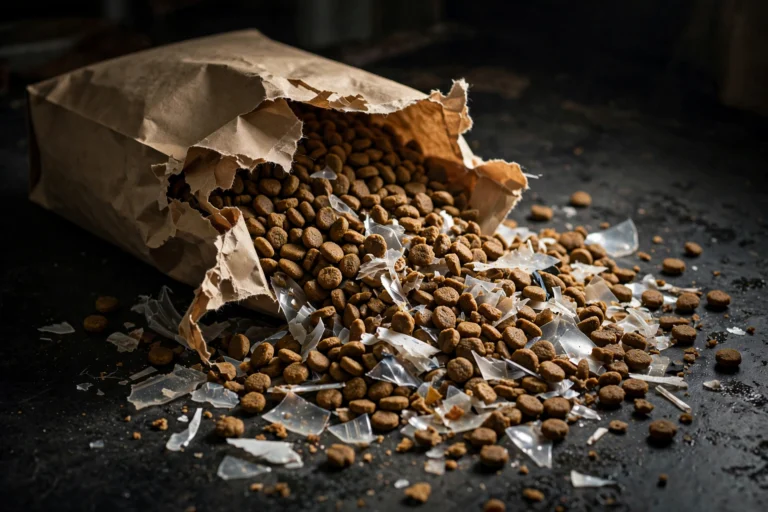
The 2005 episode began at Diamond’s Gaston, South Carolina facility, where corn used in pet food was contaminated with aflatoxin, a toxic substance produced by mould. Aflatoxin is not a bacteria that can be washed away or cooked out at home. It is a poison that builds up in grain, and in dogs it attacks the liver. Affected dogs became lethargic, lost their appetite, vomited, and developed jaundice, and many did not survive.
In December 2005 the company recalled 19 varieties of cat and dog food made at the Gaston plant. The recall then grew far beyond Diamond’s own labels, because the plant made food for other brands too. In the end it covered 31 brands and roughly 700,000 packages shipped to 24 states and 30 countries, making it one of the largest pet food recalls in American history. At least 76 dogs died after eating food manufactured by Diamond in that period, and others survived with lasting organ damage.
The FDA’s response was blunt. After inspecting the Gaston plant in December 2005, the agency sent Diamond a warning letter finding that the facility had failed to implement appropriate controls to prevent adulteration of the pet food, and that plant personnel had failed to follow established procedures. That letter is still cited today whenever the 2005 recall is discussed, because it framed the episode not as bad luck with one bad batch of corn, but as a failure of controls that should have caught the problem before the food shipped.
For owners, the lesson of 2005 is about what aflatoxin does and why it is so dangerous. Unlike Salmonella, which often announces itself with vomiting and diarrhoea, aflatoxin poisoning can look at first like a dog simply going off its food. By the time jaundice appears, liver damage may already be severe. Any dog that stops eating, becomes unusually tired, or shows yellowing of the gums or eyes after a diet change should be seen by a veterinarian promptly, and the bag should be kept, not thrown away, so the lot code can be checked.
The 2012 Recall: Salmonella Infantis and a National Outbreak
If 2005 was Diamond’s deadliest recall, 2012 was its widest. In April 2012, Diamond recalled dry dog food after Salmonella was found in product from the Gaston plant. The recall expanded in stages through May 2012 until it covered all varieties and sizes of Diamond and Diamond Naturals pet foods made at Gaston with best-by dates between December 9, 2012 and April 7, 2013, identified by a production code with a “2” or “3” in the ninth position and an “X” in the tenth or eleventh position.
The expansion did not stop at Diamond’s own brands. Because the Gaston plant manufactured food for other companies, the same Salmonella strain, Salmonella Infantis, was linked to recalls of Taste of the Wild, Kirkland Signature, Chicken Soup for the Pet Lover’s Soul, Country Value, Premium Edge, Professional, 4health, Canidae, and Natural Balance products made at the same facility. In total the 2012 event involved millions of pounds of food, and it remains one of the largest multi-brand pet food recalls ever recorded.
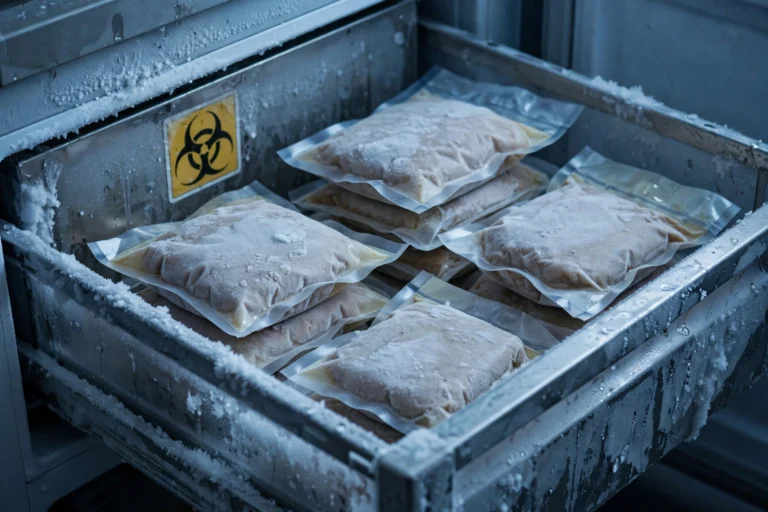
What made 2012 different from a typical pet food recall was the human toll. At least 14 people in multiple states became ill with the outbreak strain, and the illnesses were traced to handling contaminated dry dog food, not to eating it. An infant was among those hospitalised. That finding reshaped public health advice about pet food: dry kibble, which most people handle without thinking, can carry Salmonella, and the people most at risk are the ones scooping it, not only the dogs eating it.
FDA inspectors who visited the Gaston plant in April 2012 found, in the agency’s words, that all reasonable precautions were not taken to ensure that production procedures did not contribute to contamination from any source. Production at the plant was suspended while the company overhauled its controls. Diamond later invested in physical separation between raw and finished product areas, air filtration, and routine pathogen screening, changes that were widely cited as a model when the FDA’s preventive-controls rules for animal food came into force.
Salmonella symptoms in dogs include lethargy, diarrhoea, sometimes bloody, fever, vomiting, loss of appetite, and abdominal pain, but some infected dogs show no symptoms while still shedding the bacteria. In people, symptoms include nausea, vomiting, diarrhoea, stomach cramps, and fever. The household advice that came out of 2012 is still the standard today: wash hands after handling pet food, keep pet food away from human food preparation areas, and do not let children handle pet food unsupervised.
The 2013 Recall: Low Thiamine in Kitten Formula
The third Diamond era was smaller and different in kind. In March 2013, Diamond recalled Diamond Naturals Kitten Formula, in 6-ounce samples and 6-pound bags, with production code MKT0901 and a best-by date of September 30, 2013, because the food contained low levels of thiamine, vitamin B1.
Thiamine deficiency is a nutritional problem, not a contamination problem. Cats fed a thiamine-deficient diet over time can develop neurological symptoms, including loss of appetite, weight loss, vomiting, and in severe cases seizures and loss of coordination. No dog food products were affected by the 2013 recall, and it was limited to that single kitten formula and production code. It is included in Diamond’s history because it shows a different failure mode: a recipe or premix error that leaves a nutrient out, rather than a pathogen or toxin getting in.
What Diamond Makes Today, and Why Brand Names Confuse the Search
Part of the confusion in Diamond searches comes from how much food Diamond manufactures under other names. Diamond Pet Foods, owned by Schell and Kampeter, makes Diamond and Diamond Naturals, and it has manufactured Taste of the Wild, 4health for Tractor Supply, Kirkland Signature for Costco, and other private-label lines. A recall of food made at one Diamond plant can therefore appear under several brand names, and a search for one brand can surface recalls that were technically issued under another.
That is why the plant and date details matter more than the brand name alone. A bag of Diamond Naturals bought today was not made in Gaston in 2012, and a bag of Taste of the Wild bought today is not part of a 2012 recall. Recalls are tied to production codes and best-by dates, and those dates are the check. If a bag’s dates fall outside every recall window, the historical recall does not apply to it, however alarming the headline sounds.
It is also why Diamond’s clean stretch since 2013 deserves weight. Thirteen years without a recall, across a manufacturer of Diamond’s size, is a meaningful record, and recall trackers note that no current Diamond recall appears on the FDA’s lists. A clean stretch is not a guarantee, and it does not erase the deaths in 2005 or the illnesses in 2012, but it does mean that the question “is Diamond recalled right now” has, for more than a decade, had the same answer: no.
How to Check Any Diamond Product
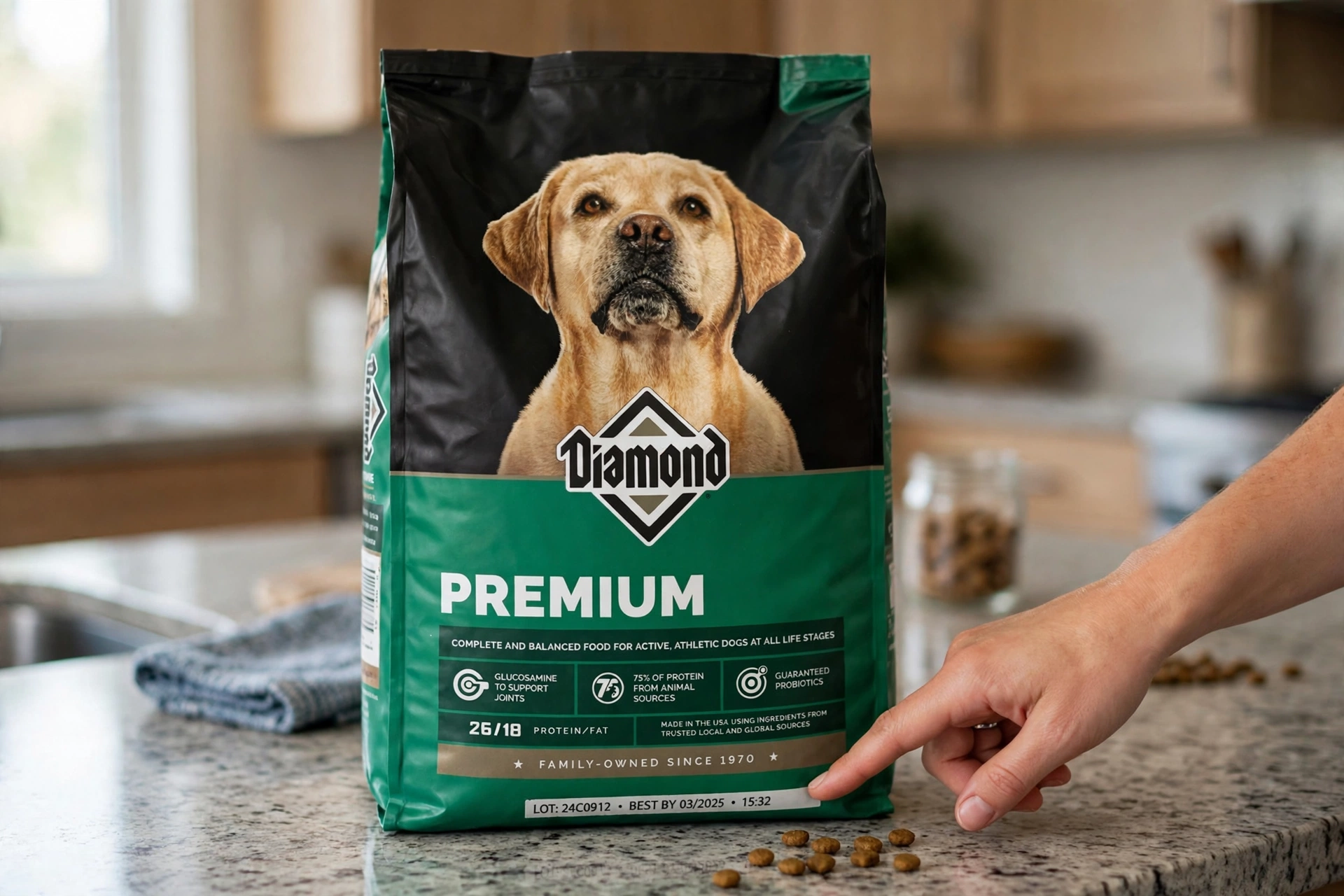
The checking habit is the same for Diamond as for any brand. Keep the bag until it is finished, so the product name, production code, and best-by date are available. Compare all three against any recall notice, not just the brand name. For Diamond’s 2012 recall, the code pattern mattered as much as the brand: a “2” or “3” in the ninth position and an “X” in the tenth or eleventh position, with best-by dates from December 9, 2012 through April 7, 2013, marked Gaston production.
If a product matches a recall, stop feeding it, follow the return or disposal instructions in the notice, wash hands and bowls, and contact a veterinarian if the dog or cat shows symptoms. Photographing the lot panel of each new bag turns a later news story into a thirty-second check, and for dry food, which is handled daily by the whole household, that habit protects people as well as pets.
Source: FDA recall notices and company announcements, December 2005, April to May 2012, and March 2013. For another major recall history, see our report on the Merrick dog food recall.
The Bottom Line on Diamond
Diamond’s recall history is serious, and it should not be minimised: aflatoxin in 2005 that killed at least 76 dogs, a Salmonella outbreak in 2012 that sickened people as well as pets, and a thiamine recall in 2013. It is also, entirely, history. No Diamond recall has been recorded since March 2013, no recall is currently in force, and every documented episode is tied to production dates that passed more than a decade ago. Owners with old food from those years should check it. Everyone else can read the history as context for how pet food safety rules got stricter, not as an alarm about the bag in the cupboard today.