Elite Treats Chicken Chips Recall: The Single Lot Sold in Five States
A single lot of chicken dog treats sold through feed stores across five Southern states is under recall for possible Salmonella contamination — and the way it was caught is almost as interesting as the recall itself. Elite Treats LLC recalled one lot of its Chicken Chips for Dogs on February 24, 2026, after third-party laboratory testing found Salmonella in a related lot of the same product that had never been sold to the public. No illnesses had been reported when the recall was announced. The company pulled the sold lot anyway. That is the system working the way it is supposed to.
What Was Recalled
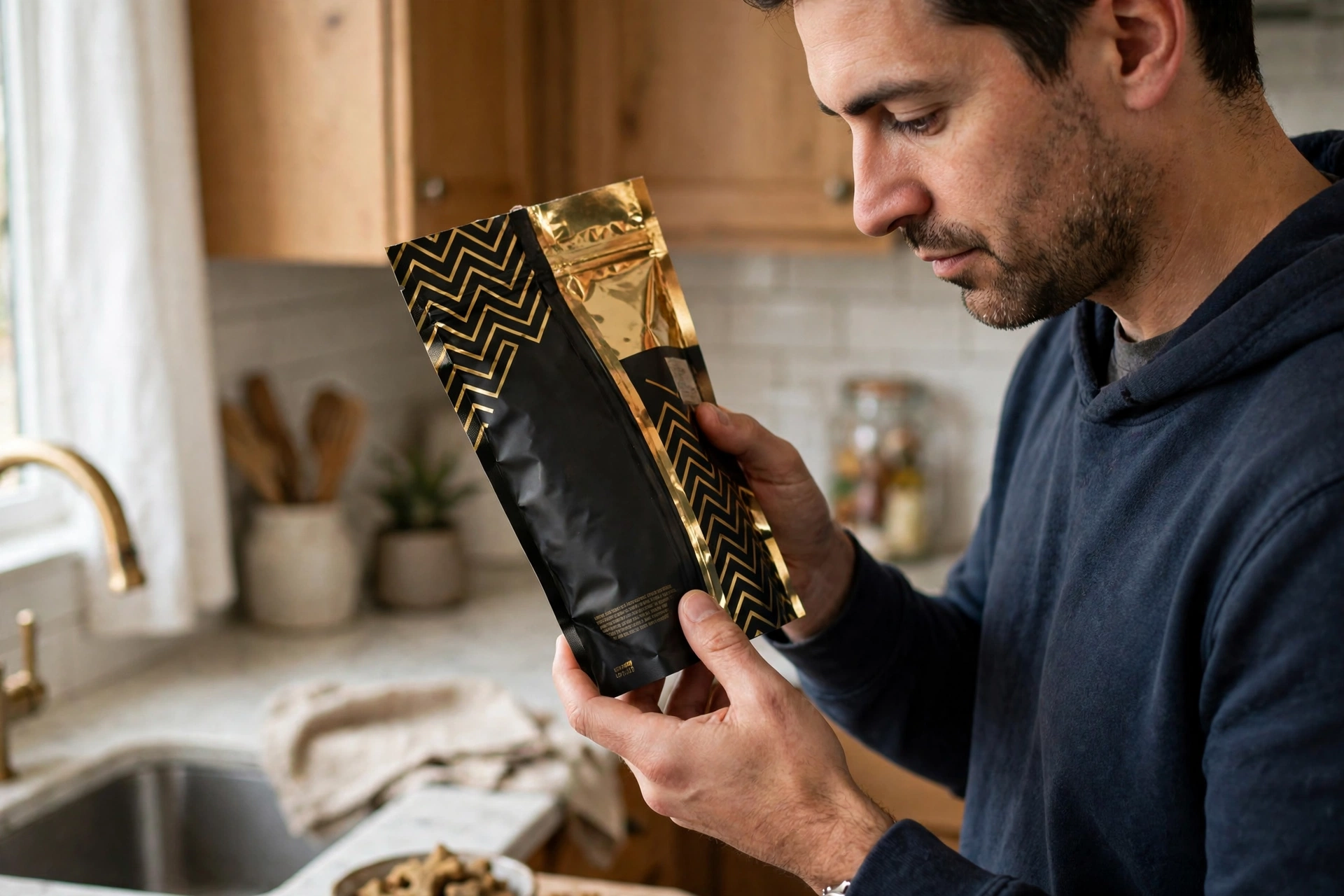
The recall covers one lot of Elite Treats Chicken Chips for Dogs in 6-ounce bags. The bags are black and gold, and the recalled lot is marked on the back of the bag with lot number 24045 and an expiration date of April 2027. No other lot, size, or product from Elite Treats is included.
The recalled treats were sold to Florida Hardware, LLC, which distributed them to feed stores in Alabama, Florida, Georgia, North Carolina, and South Carolina. If you bought chicken treats from a feed or farm supply store in one of those states, this is the bag to check. If your bag’s lot number is anything other than 24045, or its expiry is not April 2027, it is not part of this recall.
Elite Treats is based in Boca Raton, Florida. The company said consumers who bought 6-ounce bags stamped with lot 24045 should stop using them, and it gave a contact route for returns: consumers may contact the company about a refund or replacement for the recalled bags. Keep the bag, or at least a photo of the lot marking on the back, until the return is sorted — the lot number is the proof that your bag is the recalled one.
How the Contamination Was Found
Most recalls start with a sick pet, a consumer complaint, or routine government sampling. This one started with a laboratory test on a product that never reached a shelf. A third-party laboratory testing a related, commercially unreleased lot of the same Chicken Chips found Salmonella contamination in that lot. Because the unreleased lot was related to the lot already sold, the company recalled the sold lot as a precaution.
That distinction matters. It means the Salmonella finding was not in a bag pulled from a store shelf, and it does not prove that every bag of lot 24045 is contaminated. It means the testing raised a credible risk for that production run, and the responsible move was to pull the run rather than wait for an illness to confirm it. Recalls issued on this kind of evidence are common in pet treats, where production lots are small and a shared ingredient or production day can link lots together.
It also explains the timing. The recall landed on February 24, 2026, the same day the FDA published the company announcement. When a company acts on its own lab results rather than waiting for an agency order, the announcement and the recall move together, and owners hear about it while most of the lot is still in cupboards rather than already eaten.
Salmonella Symptoms in Dogs and People
Salmonella in a dog treat is a two-species problem. Dogs that eat contaminated treats may show lethargy, diarrhea or bloody diarrhea, fever, vomiting, decreased appetite, and abdominal pain. Some infected dogs show no symptoms at all but can still shed the bacteria in their feces, which is how the risk reaches other pets and people in the household.
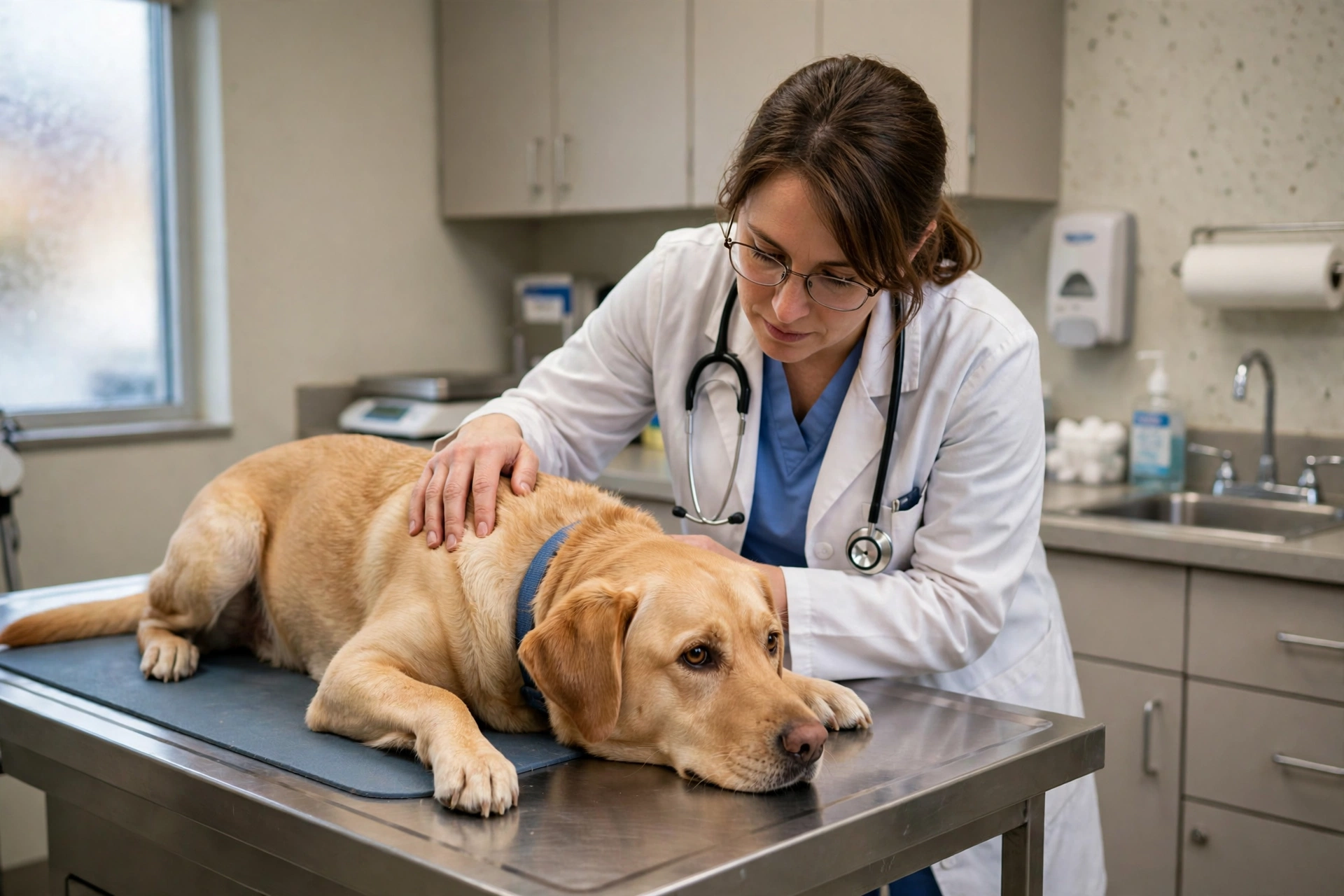
In people, Salmonella infection typically causes diarrhea, fever, and stomach cramps, usually beginning hours to a few days after exposure. Children, older adults, and people with weakened immune systems are at higher risk of severe illness. Anyone who handled the recalled treats and becomes ill should contact a healthcare provider and mention the treat exposure. If a dog that ate the treats shows symptoms, contact a veterinarian and name the product and lot number: Elite Treats Chicken Chips for Dogs, lot 24045.
No illnesses had been reported in connection with this recall at the time of the announcement. That is genuinely good news, and it is also the point of recalling on lab evidence instead of waiting: the goal is to keep that count at zero.
What to Do If You Have the Recalled Lot
Stop feeding the treats immediately, even if your dog has already eaten some from the bag without any problem. Seal the bag so no other animal can get into it, and do not donate it, pass it to another owner, or leave it where a shelter might pick it up. Recalled treats should go back through the company’s return route or be disposed of safely, not redistributed.
Then clean up. Wash your hands with soap and water after handling the bag. Wash the treat jar, scoop, and any surface the treats touched, and wipe down the area where the bag was stored. Treats sit in kitchens, pantries, and pockets, and crumbs travel — a quick clean now beats tracking the question of where the bacteria went later.
If your dog ate treats from lot 24045, watch for the symptoms above over the next few days and keep the bag and lot details handy for your vet. If nothing happens, you have lost a bag of treats and gained a good habit. If something does, you have exactly the information your vet will ask for first.
Treat Recalls Are a Repeating Story in 2025 and 2026
Elite Treats is not an isolated case. Dog treats have produced a steady run of Salmonella recalls through 2025 and 2026, and the pattern is consistent: a small producer, a single lot or a handful of lots, contamination found by testing before or just after distribution, and a narrow recall. The Wisconsin bully bites recall followed the same shape, with specific lots of a single treat product pulled after Salmonella was found.
There is a reason treats show up so often. Unlike kibble, many treats are minimally processed, and chicken-based treats in particular carry the same Salmonella risk as raw chicken in a human kitchen. Small producers also distribute through regional channels — in this case, feed stores in five states — which means a recall notice has to travel through a different route than a supermarket recall. Owners who buy treats at a feed store may never see the same recall coverage as shoppers at a big-box pet retailer, which makes checking lot numbers yourself more important, not less.
That regional route also means the recall’s reach is genuinely limited. Five states, one distributor, one lot. If you did not buy chicken treats from a feed store in Alabama, Florida, Georgia, North Carolina, or South Carolina, this recall almost certainly does not involve you. If you did, the check takes ten seconds: flip the black and gold bag over, find the lot number on the back, and compare it with 24045.
How to Check Any Treat Bag in Ten Seconds
The Elite Treats recall is a good excuse to build a habit that covers every future treat recall. Before you open a new bag, photograph the back panel where the lot number and expiry date are printed. Keep those photos in one album on your phone. When a recall notice names a brand, you search the album instead of digging through the pantry and squinting at crinkled bags.
Match all three details, not just the brand name: product, lot number, and expiry date. A recall that names “Chicken Chips for Dogs, lot 24045, April 2027” does not cover Chicken Chips with a different lot, and it does not cover other Elite Treats products. Brand-name panic wastes money and food; lot-number precision saves both.
And if a bag matches, act the same day. Recalls are time-sensitive in a way that is easy to forget: the longer a recalled bag sits open in a pantry, the more likely it is to be fed absent-mindedly by someone else in the household who never saw the notice. Seal it, label it if you must keep it for a return, and tell everyone in the house.
The Bottom Line
The Elite Treats chicken chips recall is narrow, early, and illness-free so far: one lot, 24045, of 6-ounce Chicken Chips for Dogs, expiry April 2027, sold through feed stores in Alabama, Florida, Georgia, North Carolina, and South Carolina, recalled February 24, 2026, for possible Salmonella contamination found through third-party lab testing. Flip the bag, check the back, and if it matches, stop feeding it and contact the company about a return. Ten seconds of checking is the entire difference between a recall notice and a sick dog.
Source: FDA company announcement, February 24, 2026.