Do I Need a Filter for a Betta Fish? The Honest Answer
“Do I need a filter for a betta fish?” — it’s one of the most debated questions in the hobby. Here’s the honest answer: no, a betta won’t immediately die without a filter. But a filtered tank is healthier, more stable, and honestly less work. Both sides, explained.
Why Bettas Survive Without Filters
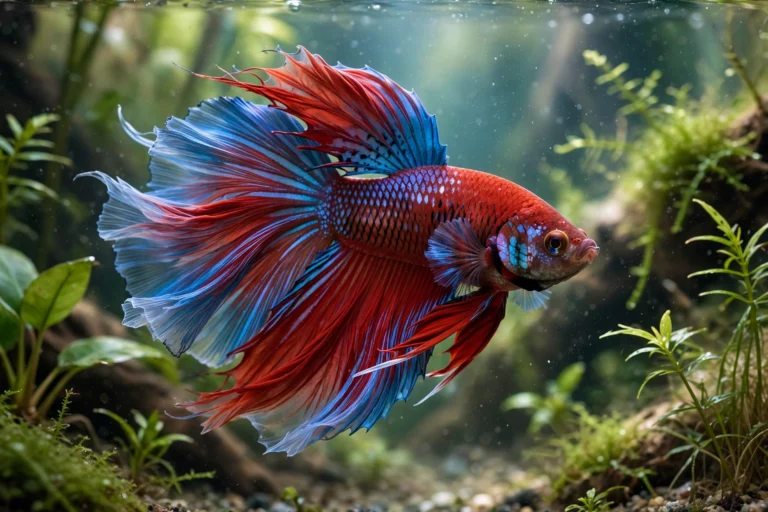
Bettas are labyrinth fish — they breathe atmospheric air through a special organ, so they don’t depend on oxygenated water the way other fish do. In the wild, they live in slow, still rice paddies and shallow pools. This hardiness is why bettas got their reputation as “bowl fish.” They tolerate conditions that would kill most tropical fish. Tolerate is the key word — it doesn’t mean thrive.
Why You Should Use One Anyway
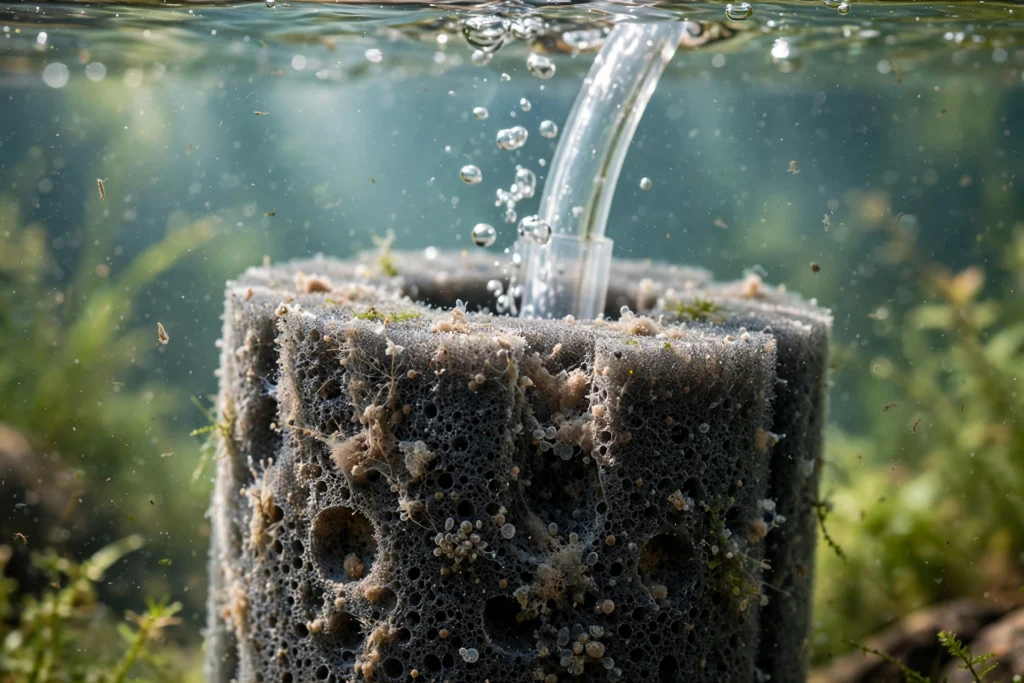
A filter does three things no hardiness replaces. Biological filtration: the filter hosts beneficial bacteria that convert toxic ammonia into safer nitrate. Water stability: filtered tanks resist parameter swings in temperature, pH, and chemistry — and stable water is the single biggest factor in fish health. Less maintenance, not more: a filtered 5-gallon needs a 25% water change weekly, while a filterless bowl needs 50% or more every 2–3 days. The filter is the lazy option.
The Right Filter for a Betta (Gentle Is Key)
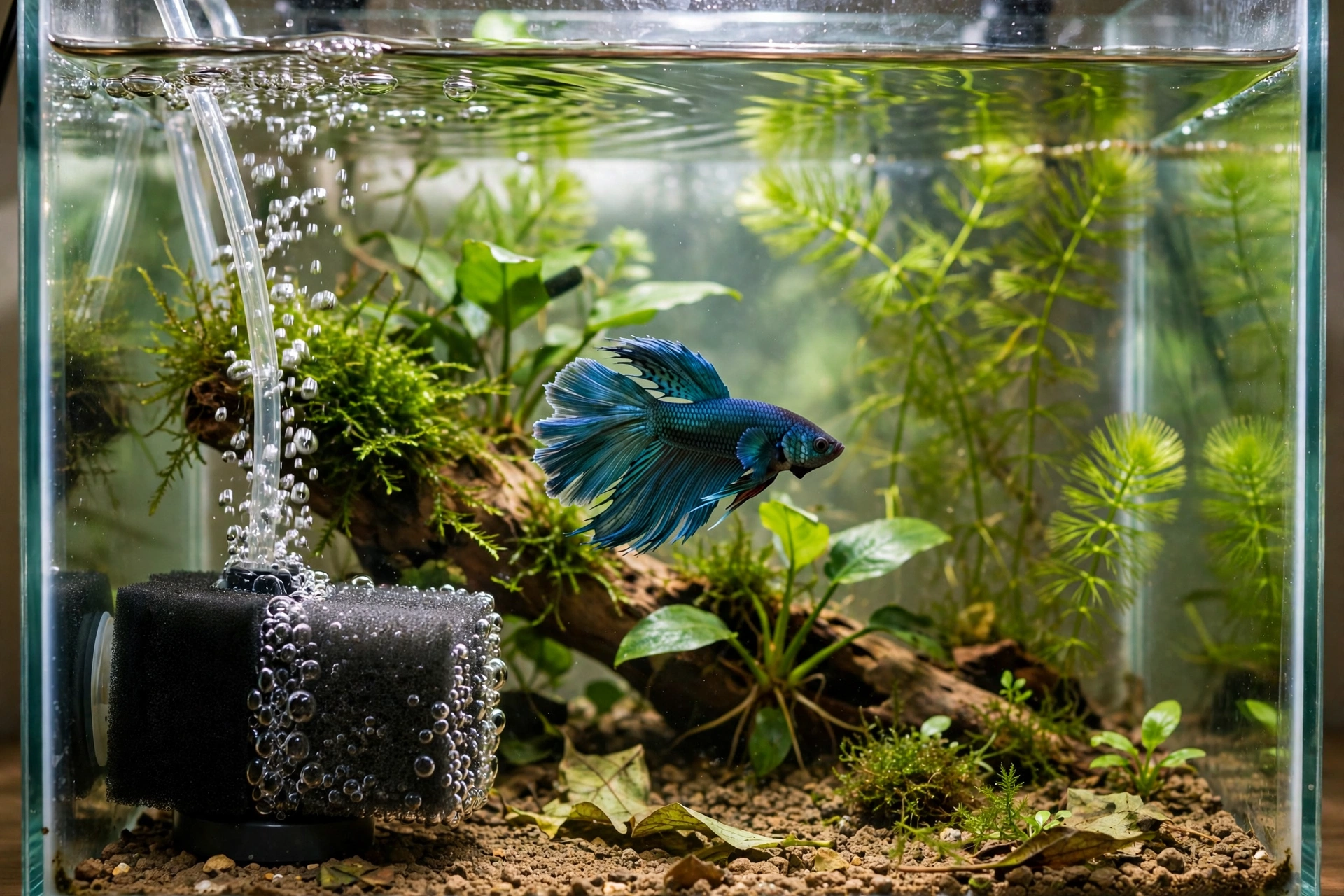
Bettas hate strong current — those long fins turn into sails. Sponge filter: the betta gold standard. Gentle, cheap, impossible to suck fins into, excellent biological filtration, powered by a small air pump. Hang-on-back with adjustable flow: fine if you baffle the outflow and add a sponge pre-filter on the intake. Avoid unbaffled HOB filters rated for much larger tanks, and any filter with an exposed intake strong enough to trap fins.
Running Filterless: How to Do It Safely
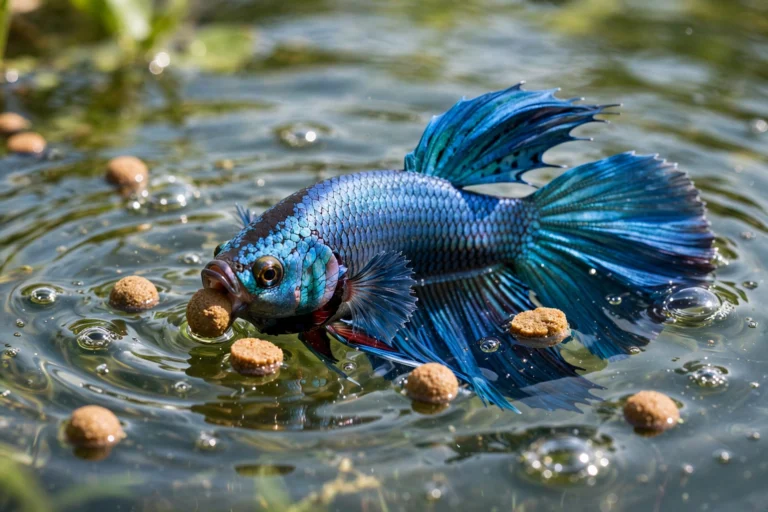
If you go filterless, commit to the maintenance. Tank size matters more — filterless works in 5+ gallons; in a 1-gallon bowl it’s a daily water-change treadmill. Do 30–50% water changes every 2–3 days with dechlorinated water matched to tank temperature. Heavily plant the tank — live plants are the closest thing to a filter substitute. Feed lightly, since every uneaten crumb becomes ammonia with no bacteria colony to process it. And test weekly with a liquid test kit — without a filter you have no safety margin.
The Cycling Question
Without a filter, there’s minimal surface area for beneficial bacteria, so the tank never truly cycles. You’re permanently in manual mode. That’s fine if you accept the water-change schedule — it’s a lifestyle choice, not a failure.
Frequently Asked Questions
Can a betta live in a bowl without a filter? It can survive, but bowls under 3 gallons with no filter need near-daily partial water changes. A 5-gallon filtered tank is less work and a far better life. Do betta fish need a heater too? Yes — more urgently than a filter. Bettas need 76–80°F, and most room temperatures are too cold. Will the filter current stress my betta? Only if too strong — a baffled sponge filter creates barely a ripple.
You don’t need a filter for a betta fish — but once you run the math on water changes, stability, and fish health, most people conclude they want one. A $15 sponge filter and a few minutes a week buys the most stable, lowest-maintenance betta tank possible.