Merrick Dog Food Recall History: Treats, Dates, and What Was Never Recalled
Searching for a Merrick dog food recall turns up a confusing mix of old headlines, and the confusion is understandable. Merrick has been recalled several times, but every one of those recalls involved dog treats, not the brand’s dry or wet dog food. The most recent recall was in May 2018, and it involved beef treats pulled for potentially elevated levels of beef thyroid hormone. Before that, three separate Salmonella recalls hit Merrick treats in 2010 and 2011. No Merrick recall is currently in force.
This report separates the treat recalls from the dog food itself, lays out each episode with its dates and products, and explains what the history does and does not say about Merrick food on shelves today. If you feed Merrick treats, the product names and dates below are the check that matters. If you feed Merrick dog food, the reassuring part of the story is that the kibble and canned lines were not the subject of these recalls.
The Short Answer: Treats Recalled, Dog Food Not Recalled
Merrick’s recall history, as documented by the FDA and independent recall trackers, looks like this:
- July and August 2010: Beef Filet Squares and Texas Hold’ems dog treats recalled for potential Salmonella contamination.
- January 2011: Jr. Texas Taffy pet treats recalled for potential Salmonella contamination.
- August 2011: Doggie Wishbone pet treats recalled for potential Salmonella contamination.
- May 2018: Backcountry Great Plains Real Beef Jerky, Real Beef Sausage Cuts, and Real Steak Patties dog treats recalled for potentially elevated beef thyroid hormone.
No illnesses were reported in connection with the 2010 and 2011 Salmonella treat recalls. The 2018 thyroid hormone recall followed a single complaint of a dog becoming ill. In each case the company issued a voluntary recall, and in each case the affected products were treats, not complete dog food diets.
That distinction matters because search results often blur it. A headline reading “Merrick dog food recall” may actually describe a treat recall, and a shopper reading it quickly can come away believing the brand’s food was pulled. It was not. Merrick’s dry and canned dog foods have no recall in this history, a point several recall trackers make explicitly.
The 2018 Recall: Elevated Beef Thyroid Hormone
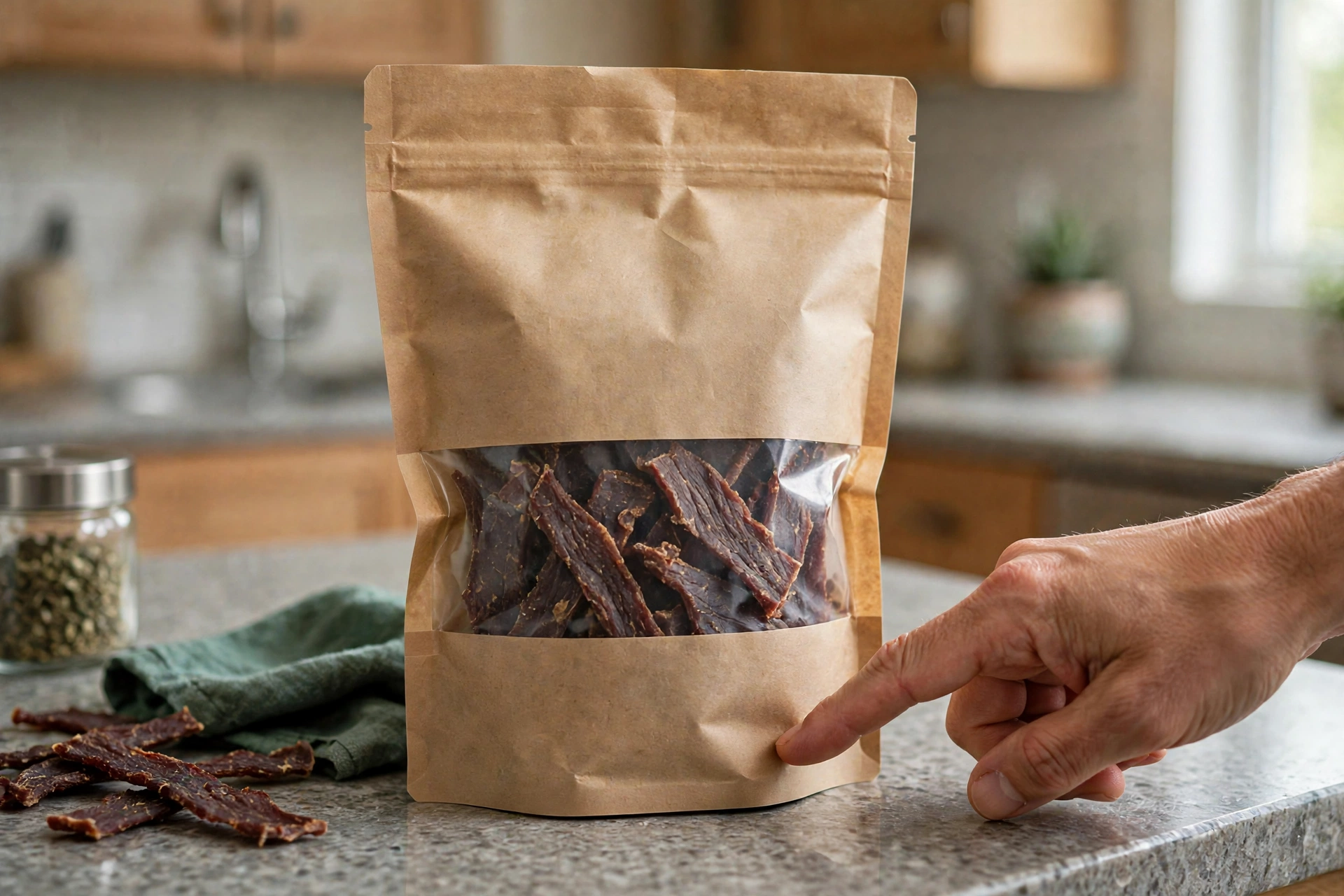
The most recent Merrick recall began in May 2018, when the company voluntarily recalled certain production runs of three Backcountry treat products: Great Plains Real Beef Jerky, Great Plains Real Beef Sausage Cuts, and Great Plains Real Steak Patties. The reason was potentially elevated levels of beef thyroid hormone in the treats.
Beef thyroid hormone becomes a problem when beef treats include thyroid gland tissue, which can happen when throat meat is used in processing. Dogs that eat treats with elevated thyroid hormone can develop hyperthyroidism, with symptoms that may include increased thirst and urination, weight loss, restlessness, and an elevated heart rate. The condition is usually reversible once the source is removed, but it is frightening for an owner who does not know the cause, and it can be dangerous if it goes unrecognized.
Only one complaint of a dog becoming ill was linked to the 2018 recall. The recall was precautionary in scope, covering specific production runs of the three beef treat varieties rather than the whole Backcountry line or the Merrick brand. Owners who still have old Backcountry beef treats from that era should check them against the recall, but treats bought in recent years are not part of this recall. Nothing in the 2018 episode involved Merrick dog food, cat food, or treats made from other proteins.
The 2018 recall is also a useful illustration of how a single ingredient-sourcing problem can affect multiple products at once. All three recalled treats were beef products from the same Backcountry line, and all three shared the same underlying issue: beef tissue that carried more thyroid hormone than it should have. When a recall names several products with one shared cause, checking the protein and the line matters as much as checking the brand.
The 2010 and 2011 Salmonella Treat Recalls
Merrick’s Salmonella history runs through three episodes in about thirteen months, all involving treats made at the same era of the company’s production.
In July 2010, the FDA issued a recall for certain runs of Merrick Beef Filet Squares dog treats after testing found potential Salmonella contamination. The recall expanded in August 2010 to include Texas Hold’ems treats. Both were jerky-style beef treats, and both were pulled over the same hazard: Salmonella bacteria that could sicken dogs and the people handling the treats.
In January 2011, Merrick recalled Jr. Texas Taffy pet treats, again for potential Salmonella contamination found during routine testing. In August 2011, the company recalled Doggie Wishbone pet treats for the same reason. No illnesses were reported in connection with any of these three Salmonella recalls, which is the outcome routine testing is designed to produce: contamination caught in the product before it makes animals or people sick.
Salmonella in dog treats is a household hazard as well as a pet hazard. Dogs infected with Salmonella may show lethargy, diarrhea (sometimes bloody), fever, vomiting, loss of appetite, and abdominal pain, but some infected dogs show no symptoms at all while still spreading the bacteria. People handling contaminated treats can become infected too, particularly if they do not wash their hands after contact, with symptoms including nausea, vomiting, diarrhea, stomach cramps, and fever. That dual risk is why treat recalls always come with handwashing advice, and why an old bag of recalled treats should be thrown away rather than fed to any animal or donated.
The clustering of these recalls in 2010 and 2011 also tells a story about manufacturing. Repeated Salmonella findings in jerky-style treats from the same period pointed to a facility-level problem, and the company overhauled its food-safety controls afterward. The fact that no Salmonella treat recall has followed since 2011 is, in itself, part of the record: fifteen years without a repeat of that particular problem.
What About the Heart Disease Investigation?
Owners researching Merrick sometimes find a second, separate story: in 2019, the FDA named Merrick among sixteen pet food brands most frequently named in reports of dilated cardiomyopathy, a serious heart condition, in dogs eating grain-free diets. It is important to be precise about what that was and was not. It was an investigation, not a recall. No Merrick food was pulled from shelves because of it, and the FDA stopped short of establishing that any particular brand or diet caused the condition.
The DCM investigation touched many grain-free brands and generated years of debate among veterinarians, nutritionists, and manufacturers. It belongs in a Merrick history for completeness, because owners will encounter it in search results, but it should not be confused with a recall. A brand can be named in an investigation without ever being recalled, and Merrick’s recall list remains the four treat episodes described above.
Similarly, older and less well-documented claims sometimes appear in Merrick recall roundups, including a 2002 Canadian recall of beef steak patties and various blog-only claims about later years. The well-corroborated, FDA-documented core of Merrick’s history is the 2010, 2011, and 2018 treat recalls. Claims beyond those should be treated cautiously unless they trace back to an FDA notice or a company announcement.
Merrick Today: Ownership and the Clean Stretch Since 2018
Merrick was acquired by Nestle Purina PetCare, and the company states that its products are made in the United States under FDA oversight, with finished-product testing before sale. All of the documented Merrick recalls predate the acquisition era’s current production, and there has been no Merrick recall of any kind since May 2018. That is now an eight-year clean stretch, spanning the entire period in which Merrick has sold its current lines of dog food and treats.
A clean stretch does not mean a brand can never be recalled again. It means that, as of today, there is no active Merrick recall to check against, and that the historical recalls all involved treats from 2010, 2011, and 2018. Owners who bought Merrick treats in those years and still have them stored should check the product names above. Owners buying Merrick today are buying products outside every documented recall window.
For shoppers weighing a brand on its recall history, the fair way to read Merrick’s record is this: a troubled period for treats in 2010 and 2011, one more treat recall in 2018 for a different hazard, and nothing since. The dog food lines were never recalled in any of these episodes. That is a materially different record from a brand whose complete diets have been pulled, and it is the distinction that matters most when deciding what to feed a dog.
How to Check Any Merrick Product
The checking habit is the same for Merrick as for any brand. Keep the bag or package until it is finished, so the product name, lot code, and best-by date are available. Compare all three against any recall notice, not just the brand name. If a product matches, stop feeding it, follow the return or disposal instructions in the notice, wash hands and bowls, and contact a veterinarian if the dog shows symptoms.
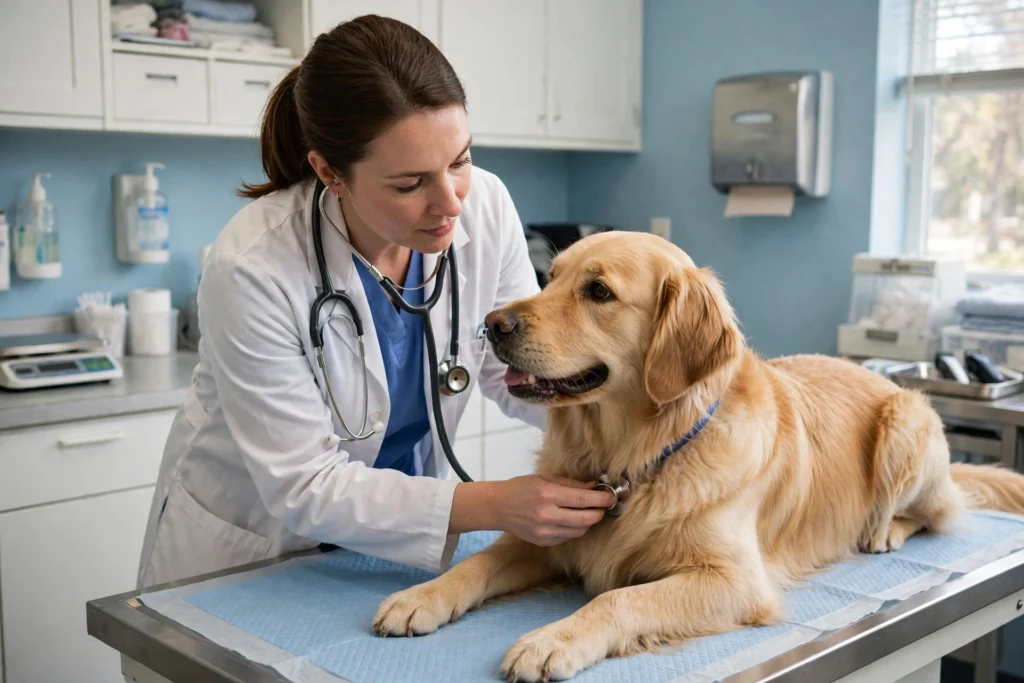
It also helps to photograph the lot panel of each new treat bag. Recalls are often announced weeks after purchase, and a photo turns a later news story into a thirty-second check. For treats especially, which are handled by hand, shared between pets, and left on floors, that habit protects both the dog and the household.
Source: FDA recall notices and company announcements, 2010, 2011, and May 2018. For another major recall history, see our report on the Victor dog food recall.
The Bottom Line on Merrick
Merrick’s recall history is real, but it is narrower than its headlines suggest. Four treat recalls, all voluntary, all involving beef treats, the last one in May 2018 for elevated beef thyroid hormone, and the earlier three in 2010 and 2011 for Salmonella. No Merrick dog food has been recalled in this history, no recall is currently active, and the brand has gone eight years without one. Owners with old beef treats from those years should check them. Everyone else can treat the history as context, not as an alarm.