AllProvide Pet Food Recall: Plastic Contamination in Gently Cooked Dog Food
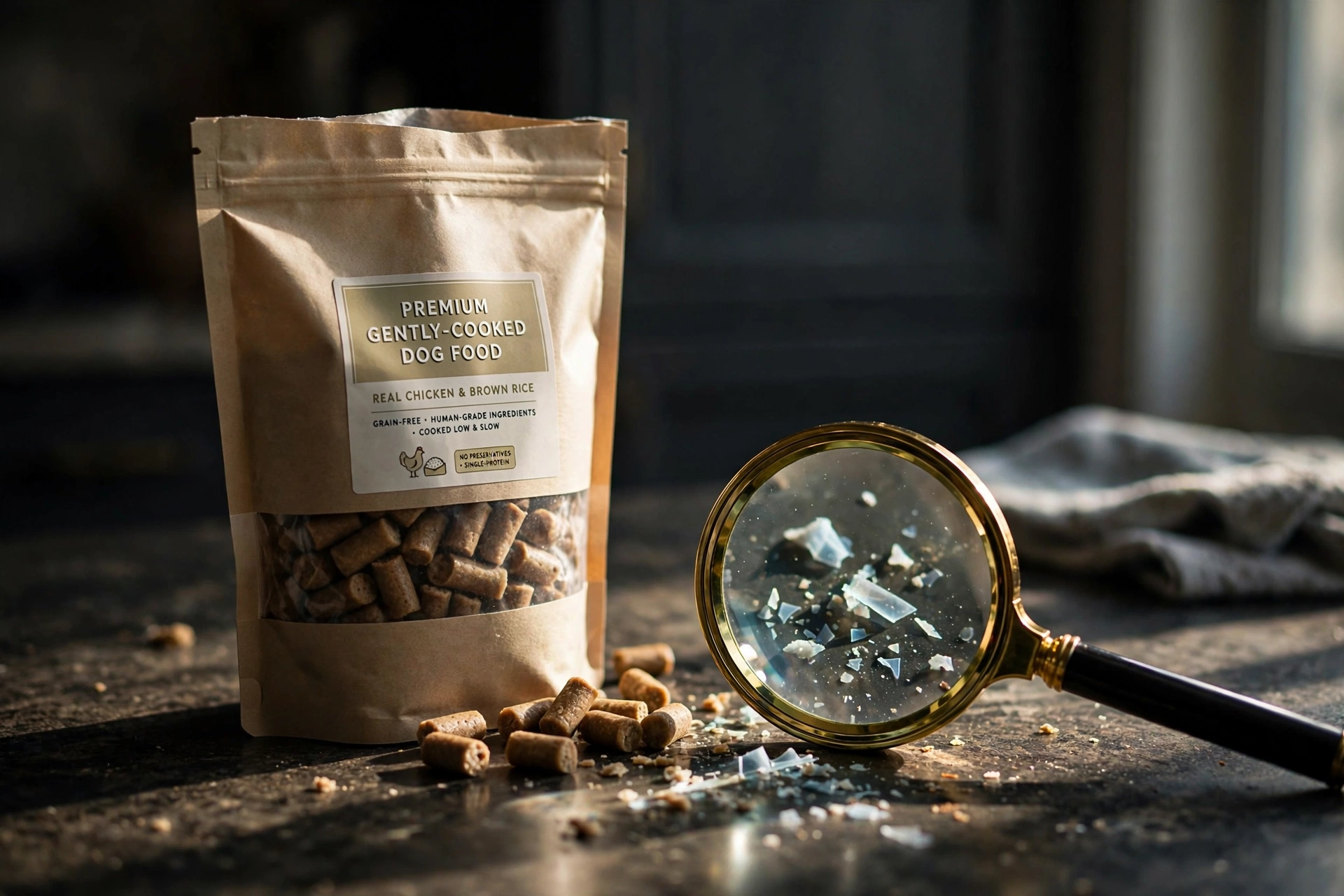
AllProvide Pet Foods has recalled multiple lots of its gently cooked dog food after the company confirmed plastic contamination in finished products, triggering a voluntary recall that has left pet owners checking freezers and pantries across the country.
The recall centers on foreign material contamination — pieces of plastic found in the food during routine quality checks. While the company moved quickly once the problem was identified, the news has rattled customers who chose the brand specifically for its premium, human-grade positioning.
Which Products Are Affected
The recall covers select lots of AllProvide’s gently cooked dog food recipes. Pet owners should check the lot codes printed on their packaging against the company’s official recall notice. Any product matching a recalled lot should not be fed to dogs under any circumstances.
If you purchased AllProvide products recently, look for the lot code and best-by date on the back panel of the packaging. When in doubt, treat the product as recalled — the cost of a bag of dog food is nothing compared to a veterinary emergency.
Why Plastic Contamination Is Dangerous
Plastic fragments in pet food are more than a quality control embarrassment. Depending on their size and shape, plastic pieces can cause choking, cut the mouth or throat, obstruct the digestive tract, or perforate the intestines — any of which can require emergency surgery.
Smaller fragments may pass through without incident, but there is no safe threshold for foreign material in food. Even tiny pieces can cause irritation and inflammation in the gastrointestinal tract, leading to vomiting, diarrhea, and loss of appetite.
Signs Your Dog May Have Eaten Contaminated Food
Watch for these symptoms if your dog ate a recalled product:
- Gagging, retching, or difficulty swallowing — possible throat obstruction
- Vomiting or repeated attempts to vomit — possible stomach irritation or blockage
- Loss of appetite or refusal to eat — possible mouth injury or nausea
- Abdominal pain, bloating, or whimpering — possible intestinal obstruction
- Bloody stool or dark, tarry stool — possible internal injury
- Lethargy or unusual behavior — general sign of distress
Any of these symptoms after eating a recalled product warrants an immediate call to your veterinarian. Do not wait to see if things improve — intestinal obstructions can become life-threatening within hours.
What Pet Owners Should Do
- Check your packaging now. Compare lot codes against the official recall notice before feeding another meal.
- Stop feeding recalled lots immediately. Seal the bag and set it aside — do not throw it away yet.
- Save the packaging and receipt. You will need lot information for a refund, and the product itself may be needed if your dog becomes ill.
- Contact the company or retailer about refund or replacement options for recalled products.
- Monitor your dog for the symptoms listed above for at least 72 hours after the last potentially contaminated meal.
How Plastic Gets Into Pet Food
Foreign material contamination in pet food manufacturing typically traces back to one of a few sources: damaged equipment shedding fragments into the production line, packaging materials entering the product stream, or contaminated raw ingredients from suppliers. In gently cooked and fresh pet foods, which undergo less aggressive processing than extruded kibble, there are fewer opportunities for metal detectors and x-ray systems to catch contaminants before packaging.
This is not an isolated industry problem. 2026 has seen a string of foreign-material recalls across pet food brands, including raw pet food recalls like the Raaw Energy case where federal investigators found multiple contamination issues. The pattern underscores why pet owners should stay subscribed to recall alerts rather than assuming premium brands are immune.
The Bigger Picture for Premium Pet Food
AllProvide built its reputation on human-grade ingredients and gentle cooking methods — exactly the qualities that attract health-conscious pet owners willing to pay premium prices. This recall is a reminder that price point and marketing do not guarantee safety, and that even carefully positioned brands face the same manufacturing risks as conventional producers.
Industry analysts note that the rapid growth of the premium and fresh pet food segment has outpaced the quality infrastructure at some companies. Smaller production runs, more complex recipes, and novel packaging formats all introduce new points of failure that legacy kibble manufacturers solved decades ago.
How to Protect Your Pet Going Forward
No brand is recall-proof, but pet owners can reduce risk:
- Sign up for FDA pet food recall alerts so you hear about recalls the day they are announced, not weeks later.
- Inspect food before serving. A quick visual check of each meal takes seconds and can catch obvious foreign material.
- Keep packaging until the food is gone. Lot codes are your proof of purchase and your key to checking recall lists.
- Rotate brands occasionally. Feeding a single product indefinitely means a single recall affects every meal.
- Report problems. If you find foreign material in any pet food, report it to the company and the FDA’s Safety Reporting Portal. Consumer reports drive investigations.
The AllProvide recall is a developing story. Pet owners should monitor the company’s official channels for expanded lot lists or additional product lines added to the recall, as initial notices are sometimes broadened when investigations continue.