Canada Salmonella Outbreak Linked to Dog Treats: 37 Ill, 8 Hospitalized
The salmonella outbreak linked to dog food and treats in Canada is now closed — but its final numbers are a sobering reminder of how easily contaminated pet treats can sicken people who never eat them. Canada’s public health agency has confirmed 37 laboratory-confirmed human cases of Salmonella infection tied to certain Puppy Love and Puppy World brand raw pet treats, including 8 hospitalizations. No deaths were reported.
What makes this outbreak unusual is who got sick. Many of the people who fell ill reported handling dog food or treats before becoming sick. Others never handled the treats at all — they became sick through contact with dogs that ate the products, or by touching contaminated surfaces and objects in their homes. Dogs, it turns out, can carry Salmonella and spread it without showing a single symptom themselves.
The Outbreak by the Numbers
- 37 confirmed cases of Salmonella Oranienburg, Salmonella Uganda, and Salmonella Infantis
- 8 hospitalizations, 0 deaths
- Provinces affected: Alberta (15 cases), British Columbia (18), Northwest Territories (1), Ontario (3)
- Ages affected: 0 to 87 years; 59% of cases were female
- Illness window: late January to early November 2025
Public health officials note that the true number of people affected was likely much higher. Many people with mild salmonella symptoms never see a doctor and are never tested — researchers estimate that for every reported case, roughly 26 others go unreported.
Which Dog Treats Were Recalled
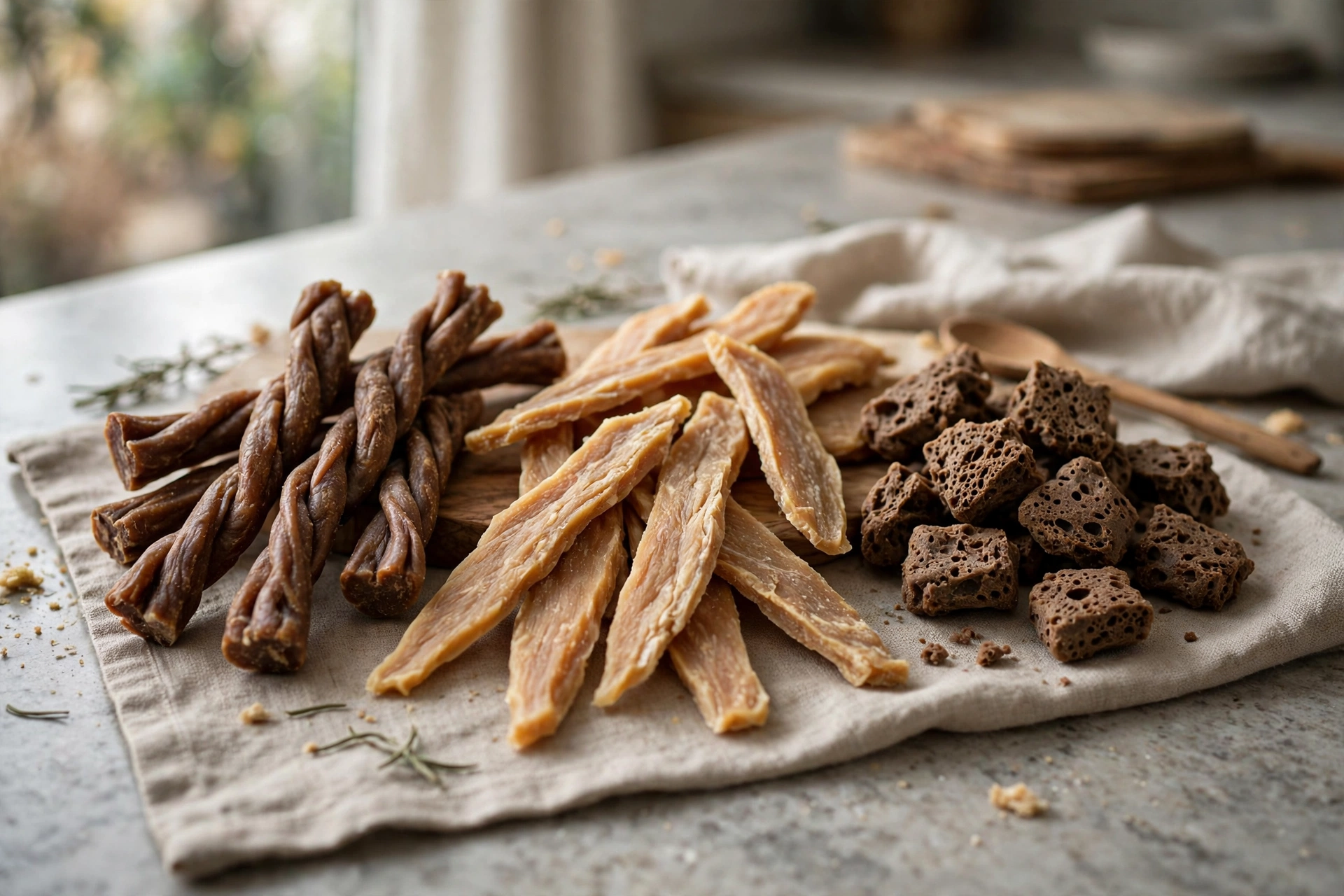
On October 28, 2025, Puppy Love Pet Products Inc. voluntarily recalled certain Puppy Love and Puppy World brand raw pet treats. The recalled products, sold from February 2025 to October 2025, were:
- Puppy Love Beef Chew (4 pack)
- Puppy Love Chicken Breast (120 g, 300 g)
- Puppy Love Chicken Wing Tips (120 g)
- Puppy World Lamb Lung (150 g, 340 g, 454 g)
The outbreak strains of Salmonella that made people sick were found in samples of the recalled treats. Investigators did not identify a single common supplier as the source of the outbreak, and the recall was later expanded beyond the first six products after Salmonella was found in samples of ten Puppy Love and Puppy World products in total.
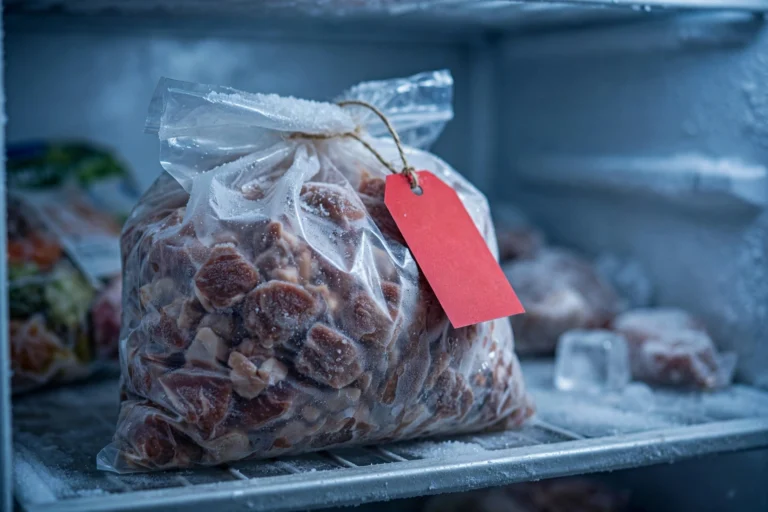
If you still have any of these treats in your home — raw treats can linger in freezers and treat jars long after a recall — throw them out. Do not feed them, sell them, or donate them.
How People Got Sick Without Eating the Treats
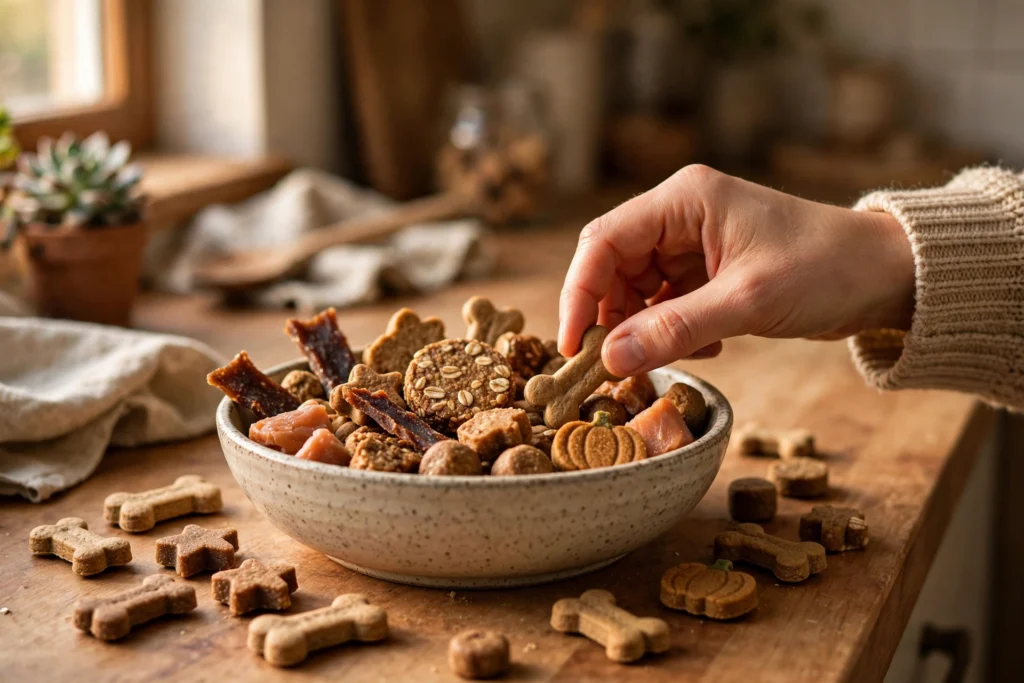
Salmonella spreads through the fecal-oral route, and dog treats are a surprisingly efficient vehicle. A person can become ill by handling a contaminated treat and then touching their mouth, by touching a dog’s mouth, bowl, or bedding after the dog ate a contaminated treat, or by touching a contaminated countertop, utensil, or refrigerator shelf.
Children are at particular risk: they play with dogs, touch bowls and treats, and put their hands in their mouths. Older adults, pregnant women, and anyone with a weakened immune system face a higher risk of severe illness.
Symptoms of salmonellosis usually start 6 to 72 hours after exposure and include chills, fever, nausea, diarrhea, vomiting, stomach cramps, and sudden headache. Most symptoms end within 4 to 7 days, but severe cases can require hospital care and lead to long-lasting health effects.
Dogs infected with Salmonella may show vomiting, diarrhea, decreased appetite, fever, or excessive salivation — or no signs at all. A dog that looks perfectly healthy can still shed the bacteria in its feces and contaminate its surroundings.
Protecting Your Household
The lessons from this outbreak apply far beyond one brand of treats, and they mirror the hygiene advice in our Darwin’s pet food recall coverage:
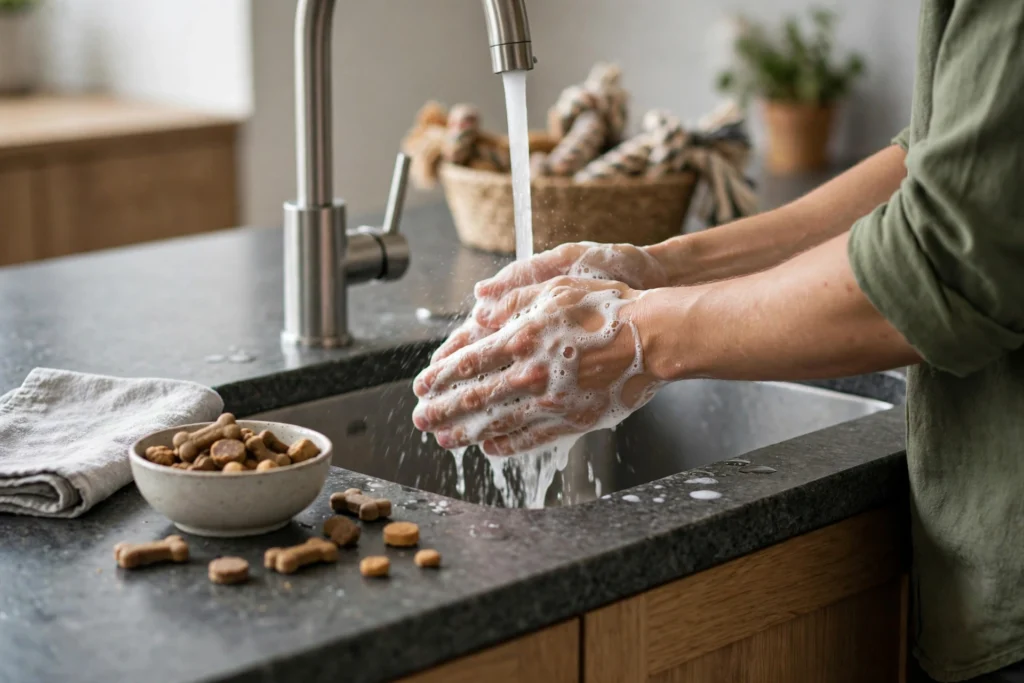
- Wash your hands thoroughly with soap and water immediately after handling any dog food or treat, and teach children to do the same after touching dogs, their food, or their treats.
- Use dedicated dishes and utensils for your dog, and wash them separately from your own dishes.
- Wash and sanitize every surface that contacted dog food or treats — bowls, countertops, cutting boards, refrigerator shelves — before using them again.
- Clean up your dog’s feces promptly, and wash your hands afterward.
- Keep the packaging until treats are finished, so you can check lot codes and product names if a recall is announced.
- Check for recalls before you buy. A quick check of your country’s recall listings takes a minute and can prevent a household outbreak.
Why This Outbreak Matters Beyond Canada
Pet food products in Canada are not subject to the same regulations and testing as food intended for humans — and the same gap exists in the United States. Raw and minimally processed treats carry a documented, recurring contamination risk, and this outbreak shows that the risk does not stop at the dog bowl. When a treat is contaminated, everyone who lives with the dog shares the exposure.
The investigation is closed and the outbreak appears to be over. But the conditions that produced it — raw treats, shared living spaces, and hands that move between dog food and everything else — are present in millions of homes. The habits above are the difference between a treat your dog enjoys and an illness nobody saw coming.
Source: Public Health Agency of Canada public health notice, October 28, 2025