Victor Dog Food Recall: The Salmonella Recall Behind the $5.5 Million Settlement
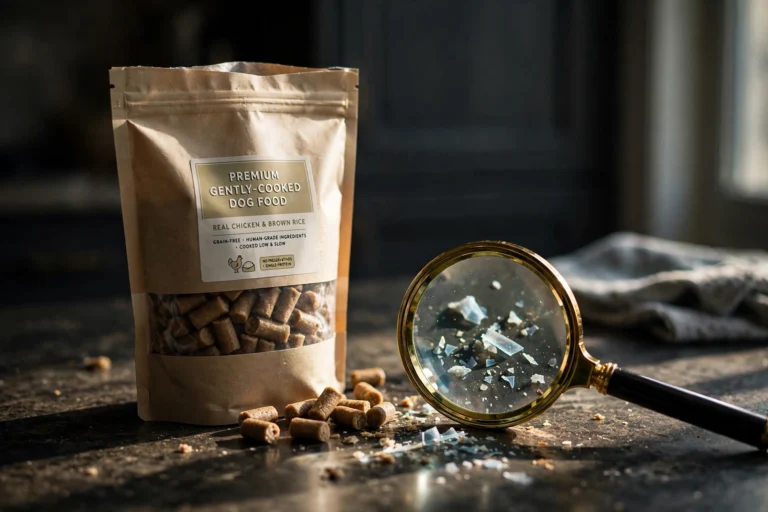
Victor dog food was at the center of one of the largest pet food recalls of recent years. Between September and November 2023, its manufacturer, Mid America Pet Food of Mount Pleasant, Texas, recalled Victor Super Premium dog food again and again as Salmonella contamination was found at its plant, until finally every pet food the company made with a best-by date before October 31, 2024 was pulled. Federal investigators linked the contamination to seven human cases of Salmonella infection, most of them in babies. Years later, the episode ended in a $5.5 million class-action settlement.
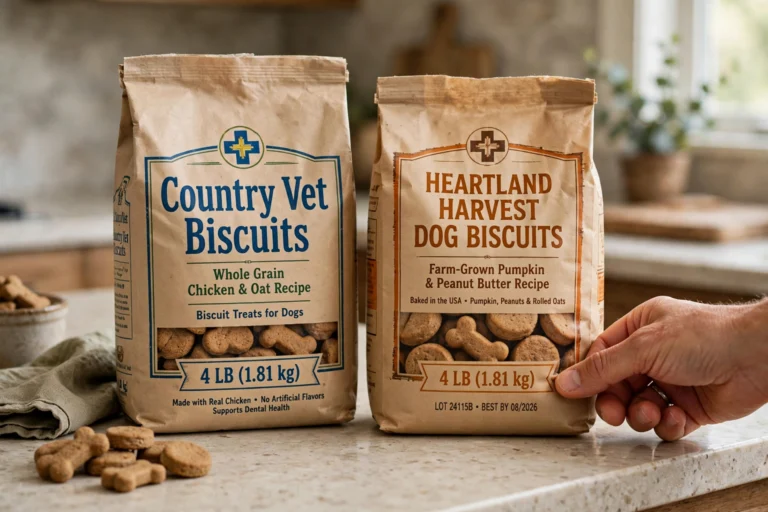
This is a recall-history report, not a new alert about food on sale today. That distinction matters. If you still have an old bag of Victor, Wayne Feeds, Eagle Mountain, or Member’s Mark food in a garage or storage bin, the best-by date is the only thing that decides whether it belongs to the recall. If you are buying Victor today, the recall explains why the brand’s safety record is still talked about, and why checking dates and lot codes remains a habit worth keeping.
How the Victor Recall Unfolded
The recall did not arrive all at once. It expanded in stages as testing found more contamination:
- September 3, 2023: Mid America Pet Food recalled three lots of Victor Super Premium Dog Food, Select Beef Meal and Brown Rice Formula, after Salmonella was found in the product.
- October 30, 2023: The recall expanded to more Victor Super Premium products from the same Mount Pleasant, Texas facility.
- November 9, 2023: The recall expanded again, this time to every brand the company manufactured, covering all pet food products with a best-by date before October 31, 2024. That included Victor, Wayne Feeds, Eagle Mountain, and two varieties of Member’s Mark pet foods, 35 products in total sold nationwide in stores and online.
The final expansion is the one that matters most for anyone checking old stock. It was not limited to one recipe or one lot. Any Mid America Pet Food product with a best-by date before October 31, 2024 fell inside it. Products with a best-by date of November 1, 2024 or later were not part of the recall, according to the company, which said it invested in facility upgrades and began testing every finished batch before shipping after the incident.
The Human Cases That Made This Recall Different
Most pet food recalls involve a risk to pets, with a warning that people handling the food could also get sick. The Victor recall went further: people actually did get sick.
The FDA and the Centers for Disease Control and Prevention investigated seven human cases of Salmonella Kiambu infection potentially associated with pet food made by Mid America Pet Food. Six of the seven cases involved children one year of age or younger. Five cases reported exposure to dogs, and three reported feeding Victor pet food to their pets. One person was hospitalized.
That pattern is familiar to public health investigators, and it is worth understanding. Babies do not eat dog food. They get exposed through contact: crawling on floors where kibble has spilled, touching a dog that has eaten contaminated food, or handling bowls, scoops, and storage bins. Salmonella survives on surfaces, and a household with a baby and a dog bowl is a household where hand hygiene and bowl hygiene are not minor details.
The class-action lawsuit that followed alleged that contaminated food caused severe illness and even death in pets, and that the company marketed its products as fit for animals while they were contaminated. Mid America Pet Food did not admit wrongdoing, but agreed to a $5.5 million settlement, reported in 2026, under which class members could claim refunds and payments for documented pet illness and death claims.
What Salmonella Does to Dogs and People
Salmonella in dog food is a household hazard, not a pet-only hazard. Dogs that eat contaminated food may become lethargic and develop diarrhea, sometimes bloody, fever, and vomiting. Some will show only decreased appetite, fever, and abdominal pain. Others show no symptoms at all while still shedding the bacteria, which means they can infect other animals and people without anyone realizing the food was the source.
People infected with Salmonella usually develop nausea, vomiting, diarrhea or bloody diarrhea, abdominal cramping, and fever. In rare cases the infection can lead to more serious conditions, including arterial infections, endocarditis, arthritis, muscle pain, eye irritation, and urinary tract symptoms. Anyone who develops symptoms after handling pet food should contact a healthcare provider, and anyone whose pet shows symptoms after eating recalled food should contact a veterinarian.
The groups at highest risk are young children, older adults, pregnant women, and people with weakened immune systems. In a home with any of those groups, a Salmonella-positive pet food is a reason to treat the whole feeding area as contaminated until it has been cleaned.
How to Check Whether an Old Bag Is Part of the Recall
The check is simple, but it has to be done on the bag itself:
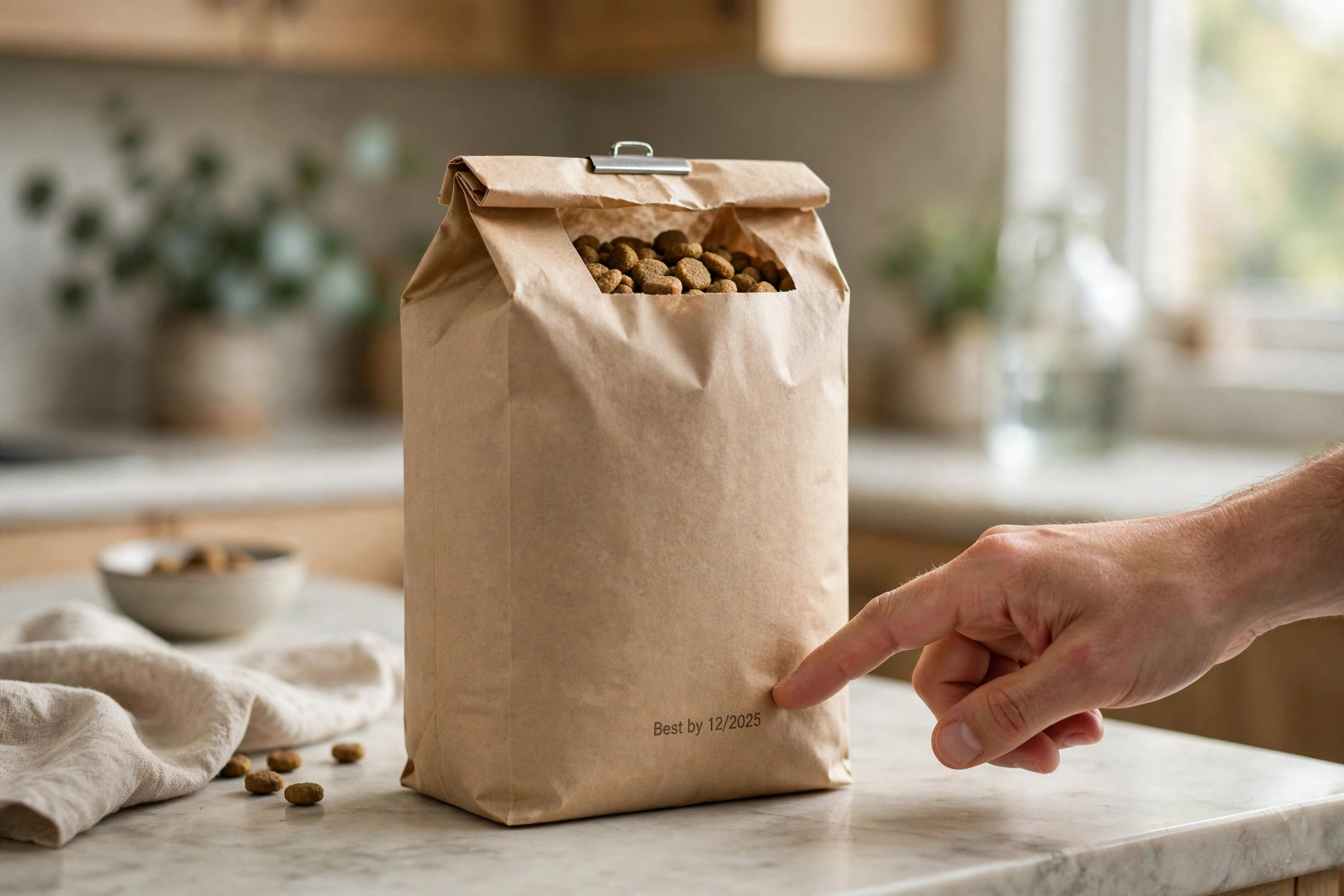
- Find the best-by date. If it is before October 31, 2024, and the product is Victor, Wayne Feeds, Eagle Mountain, or Member’s Mark food made by Mid America Pet Food, treat it as recalled. Do not feed it.
- Check the brand and the maker. The recall covered all of the company’s brands, not only Victor, so a Wayne Feeds or Eagle Mountain bag with an old best-by date counts too.
- If the date is November 1, 2024 or later, the bag is outside the recall window as the company described it. That does not make any pet food immune to future problems, but it does mean this recall does not apply to it.
- If the date is unreadable, missing, or the bag has been decanted into a bin, treat it as recalled and dispose of it. A lot code you cannot read cannot clear a bag.
Do not feed recalled food to any animal, do not donate it, and do not keep it “just in case.” Seal it, dispose of it so children, pets, and wildlife cannot reach it, and wash your hands and any surfaces, bowls, scoops, and storage bins it touched.
What Changed After the Recall
Mid America Pet Food said it invested more than $1 million in facility upgrades after the recall, added comprehensive finished-product testing on every batch before shipping, and stated that all products with a best-by date of November 1, 2024 or later are unaffected. The FDA completed its recall investigation in 2024.
For dog owners, the more useful lesson is not about one company’s upgrades. It is about how a recall like this spreads. A single plant can make many brands. A single contamination event can expand from three lots to 35 products over two months. And a pet food problem can become a human health problem in the most vulnerable people in a household, without anyone eating the food directly.
That is why the habits around this recall still matter today: keep the bag until it is empty, because the best-by date and lot code are your only proof; wash hands and bowls after feeding; keep feeding areas away from where babies crawl and play; and check recall notices by date and lot, not by brand name alone. A brand can be back on shelves, fully stocked, and still carry a recall history that an old bag in your storage room belongs to.
Source: FDA and CDC investigation reports on Mid America Pet Food, 2023-2024; settlement reporting, 2026