Pedigree Cans Sent for Destruction Were Sold: The Diverted-Lot Recall
Mars Petcare US recalled two lots of Pedigree canned dog food on July 2, 2026, after cans that had already been pulled from production and sent away to be destroyed turned up for sale in the United States instead. This is not a routine contamination recall, and it is not a brand-wide recall. It is a two-lot recall with an unusual backstory: the product failed the company’s own quality checks, was supposed to be destroyed, and then, in Mars’s words, appears to have been fraudulently diverted and sold into the marketplace.
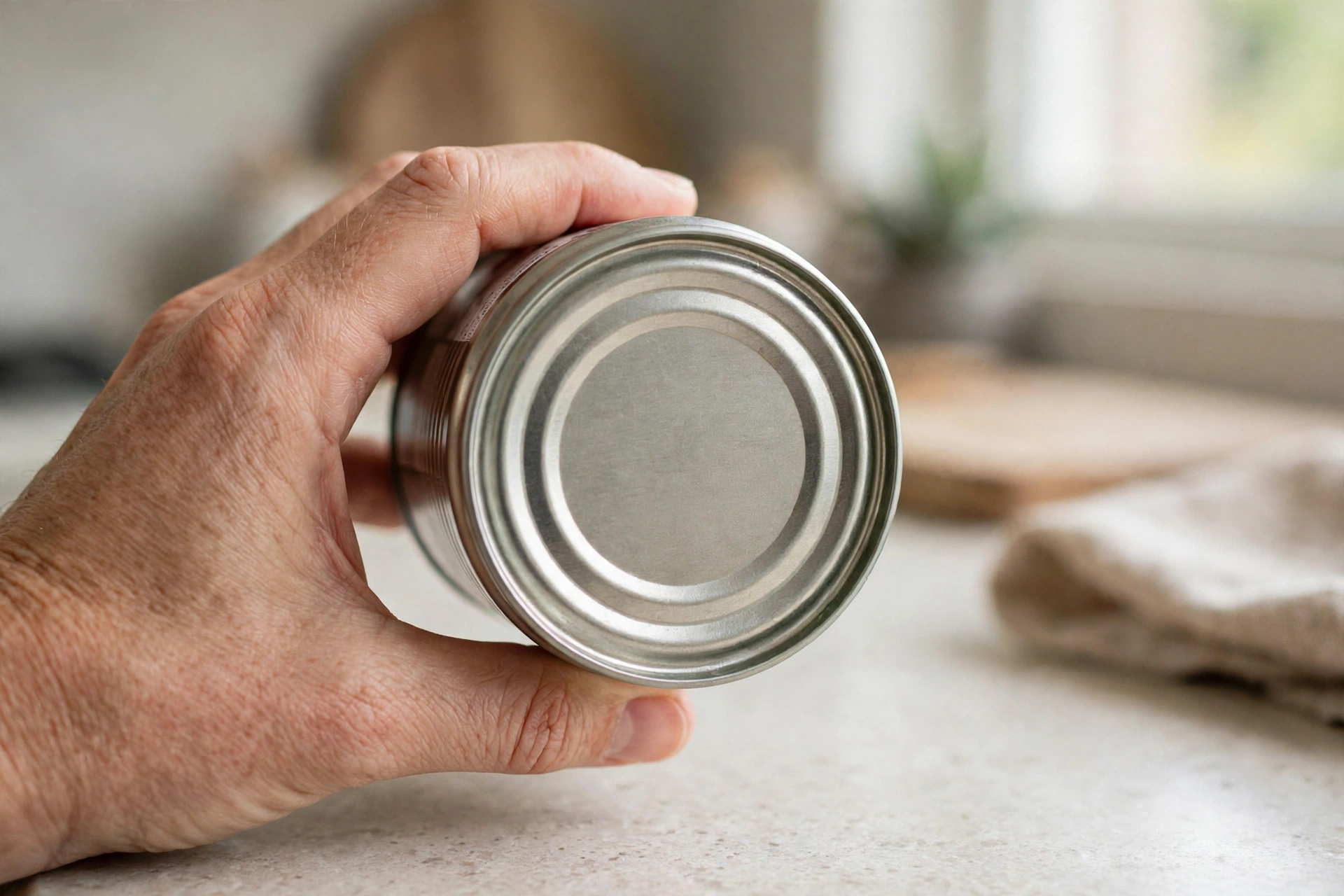
That distinction matters for dog owners. A can that looks normal on a shelf, carries a trusted brand name, and was bought in an ordinary store can still be part of this recall. Only the lot code on the bottom of the can decides whether it is affected. If you feed Pedigree High Protein canned food, checking those two codes takes less than a minute, and it is the only check that counts.
No pet illnesses or injuries had been reported in connection with the recalled lots at the time of the announcement. The risk is not about a sick dog already reported somewhere else. It is about sharp metal and plastic fragments that may be inside these specific cans, and what those fragments could do if a dog eats them.
Which Pedigree Cans Are Recalled
The Mars Petcare recall covers exactly two lots of one product:
- Product: Pedigree High Protein Chopped Chicken and Duck Flavor wet dog food, 13.2-ounce cans
- Lot code 613C3KKCFC
- Lot code 613C1KKCFC
- Hazard: Possible hard, sharp metal and plastic fragments
- Announcement date: July 2, 2026
No other Pedigree products and no other Mars Petcare US products are included. If your can is a different Pedigree recipe, a different size, or carries a different lot code, it is not part of this recall. If your can matches one of the two codes above, stop feeding it immediately, even if your dog has already eaten from the can without any obvious problem. Foreign material does not always cause symptoms right away, and a dog that seems fine today can still be at risk from what it swallowed.
Check the lot code on the bottom of the can itself, not on a receipt or a shopping list. Lot codes are printed per can, and mixed cases can contain different lots, so check every can you have, including cans already opened and partly used.
How Cans Meant for Destruction Reached Store Shelves
According to Mars Petcare’s announcement, these two lots failed the company’s internal quality checks. As part of its quality-control process, every canned Pedigree product is checked, and lots that do not meet the company’s standards are removed from the production stream. These two lots were sent to a third-party vendor to be destroyed.
Mars later discovered that the product had not been destroyed. Instead, the company said, the cans appear to have been fraudulently diverted and sold into the United States marketplace. Mars did not say how it discovered the diversion, how long the cans may have been on sale before the July 2, 2026 recall, or through which stores they were sold. The company said it is working with authorities to determine how the cans reached consumers.
That sequence is what makes this recall different from most foreign-material recalls. In a typical case, a defect slips through production and is caught after distribution. Here, the defect was caught, the product was pulled, and the failure happened afterwards, in disposal. For pet owners, the practical lesson is blunt: a product on a store shelf is not proof that it passed every safety gate. Lot-level recall notices exist precisely because shelf presence cannot be trusted on its own.
Why Metal and Plastic Fragments Are Dangerous for Dogs
Hard, sharp fragments in wet dog food are a mechanical hazard first and a medical emergency second. A dog does not chew canned food the way it chews a bone, so a fragment can be swallowed whole and without warning.
The risks Mars warned about include:
- Choking, especially if a fragment lodges in the throat
- Cuts and lacerations inside the mouth, esophagus, stomach, or intestines
- Gastrointestinal blockage, where a fragment stops food passing through the gut
- Perforation, where a sharp edge punctures the bowel wall, which can cause peritonitis, a life-threatening infection inside the abdomen
Watch for pawing at the mouth, drooling, difficulty swallowing, repeated vomiting, vomiting blood, refusal to eat, crying while eating, abdominal pain, a hunched posture, bloody or black, tarry stool, lethargy, collapse, or pale gums. Pale gums, collapse, or vomiting blood are emergency signs: get to a veterinarian immediately rather than waiting to see if symptoms pass. Tell the veterinarian that the dog may have eaten a recalled Pedigree lot, and bring the can with its lot code if you can do so safely.

Even without symptoms, a dog that ate from an affected lot deserves a veterinarian’s advice. Some injuries, particularly small lacerations or partial blockages, do not show up at once, and a vet can judge whether monitoring, an examination, or imaging is needed.
What to Do If You Have an Affected Can
- Stop feeding it immediately and keep the can away from your dog and any other pets.
- Do not throw the lot code away. Keep the can, or at least a clear photograph of the bottom showing the lot code, until you have arranged a replacement or refund.
- Contact Pedigree Consumer Care on 1-800-525-5273 to arrange a replacement product. You can also return the product to the store where you bought it.
- If your dog has already eaten from the can, monitor closely for the symptoms above and contact your veterinarian with any concern, however small.
- Do not donate or pass on the cans. A recalled can given to a shelter, a neighbor, or another pet owner carries the same hazard with it.
Mars has said it is committed to helping consumers identify and remove the affected products from use. If you believe you purchased one of these lots, the company’s instruction is direct: do not feed it to animals, and contact Pedigree for a replacement.
How This Recall Relates to the Earlier Pedigree Recall Coverage
Readers of this site may already know Pedigree from an earlier report about metal and plastic contamination in Pedigree dog food. This diverted-lot recall is the specific, lot-coded incident behind that broader warning: two named lots, one product, one date, and one unusual diversion story. The earlier coverage explained why foreign material in dog food is dangerous in general. This report names the exact cans to pull from your pantry now.
That distinction is worth keeping straight, because Pedigree is one of the most widely sold dog food brands in the United States. A vague warning about “Pedigree” helps no one: it either panics owners of unaffected products or, worse, gets ignored by owners of the affected lots. The two lot codes, 613C3KKCFC and 613C1KKCFC, are the whole recall. Everything else is context.
A Check Worth Making Part of Your Routine
This recall is a reminder to check lot codes when you open a new case of canned food, not only when a recall makes the news. Cans from the same purchase can carry different lots. Recalled product can sit in a pantry for months, because canned food lasts. And as this case shows, a product can reach a shelf even after it was supposed to be destroyed.
Keep the can until it is empty, or keep a photograph of the lot code with your pet’s records. Sign up for FDA pet food recall alerts so a notice like this reaches you on the day it is published, not weeks later when a can is already half eaten. Two minutes of checking at the pantry is a small price for avoiding a veterinary emergency that no owner wants to face.
Source: Mars Petcare US recall notice via FDA, July 2, 2026