Northwest Naturals Pet Food Recall: Salmonella Risk
Northwest Naturals of Portland, Oregon, has voluntarily recalled dozens of cases of its frozen raw pet food after testing raised concerns about Salmonella and Listeria monocytogenes contamination, according to a company announcement dated October 18, 2026.
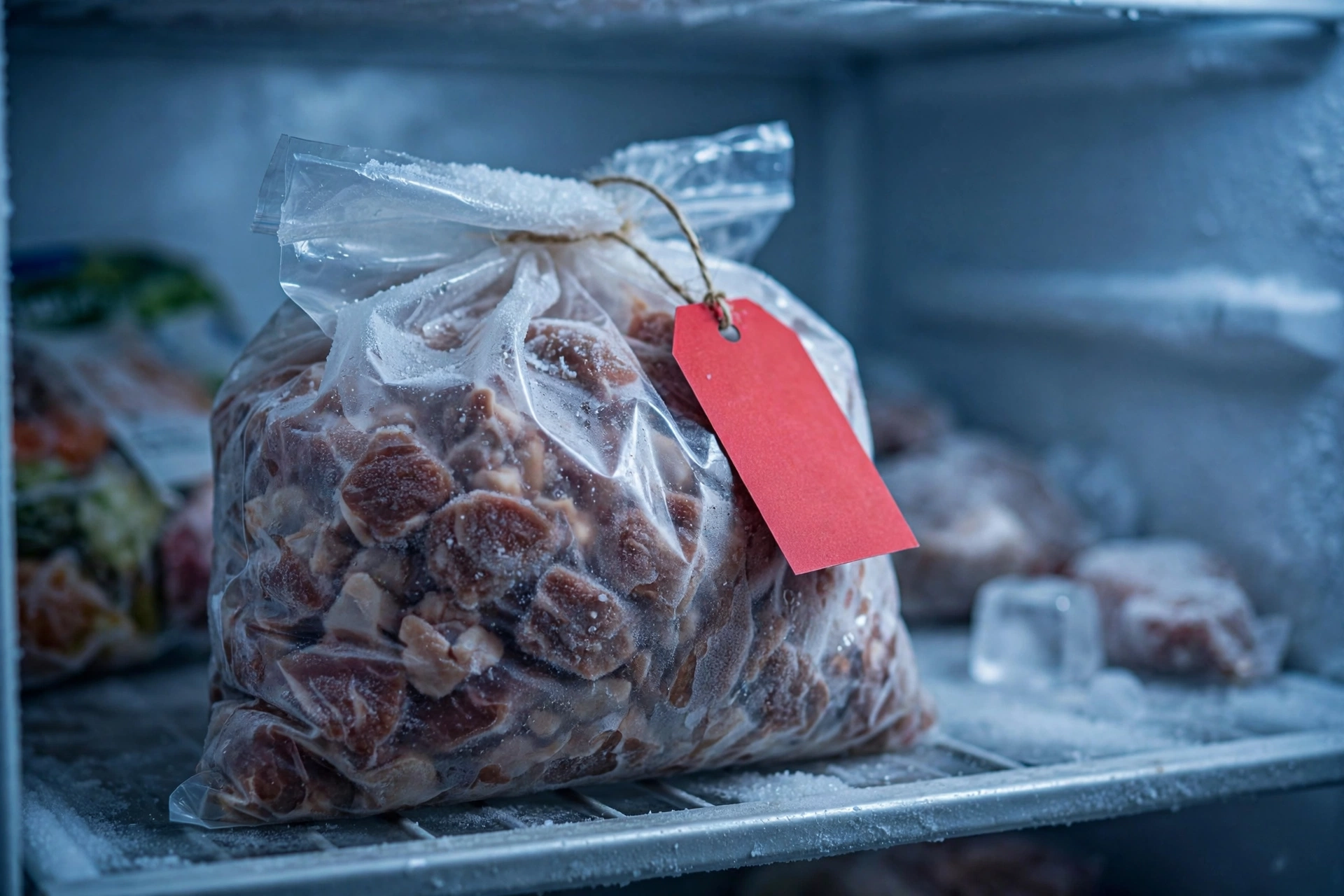
The recall covers 53 cases of Northwest Naturals Frozen Chicken Recipe cat food and 19 cases of Northwest Naturals Frozen Raw Diet for Dogs Chicken Recipe. Both products are frozen raw diets, a category that has drawn repeated scrutiny from federal regulators over bacterial contamination risks.
Which Products Are Affected
The recalled products are:
- Northwest Naturals Frozen Chicken Recipe (cat food) — 53 cases
- Northwest Naturals Frozen Raw Diet for Dogs Chicken Recipe (dog food) — 19 cases
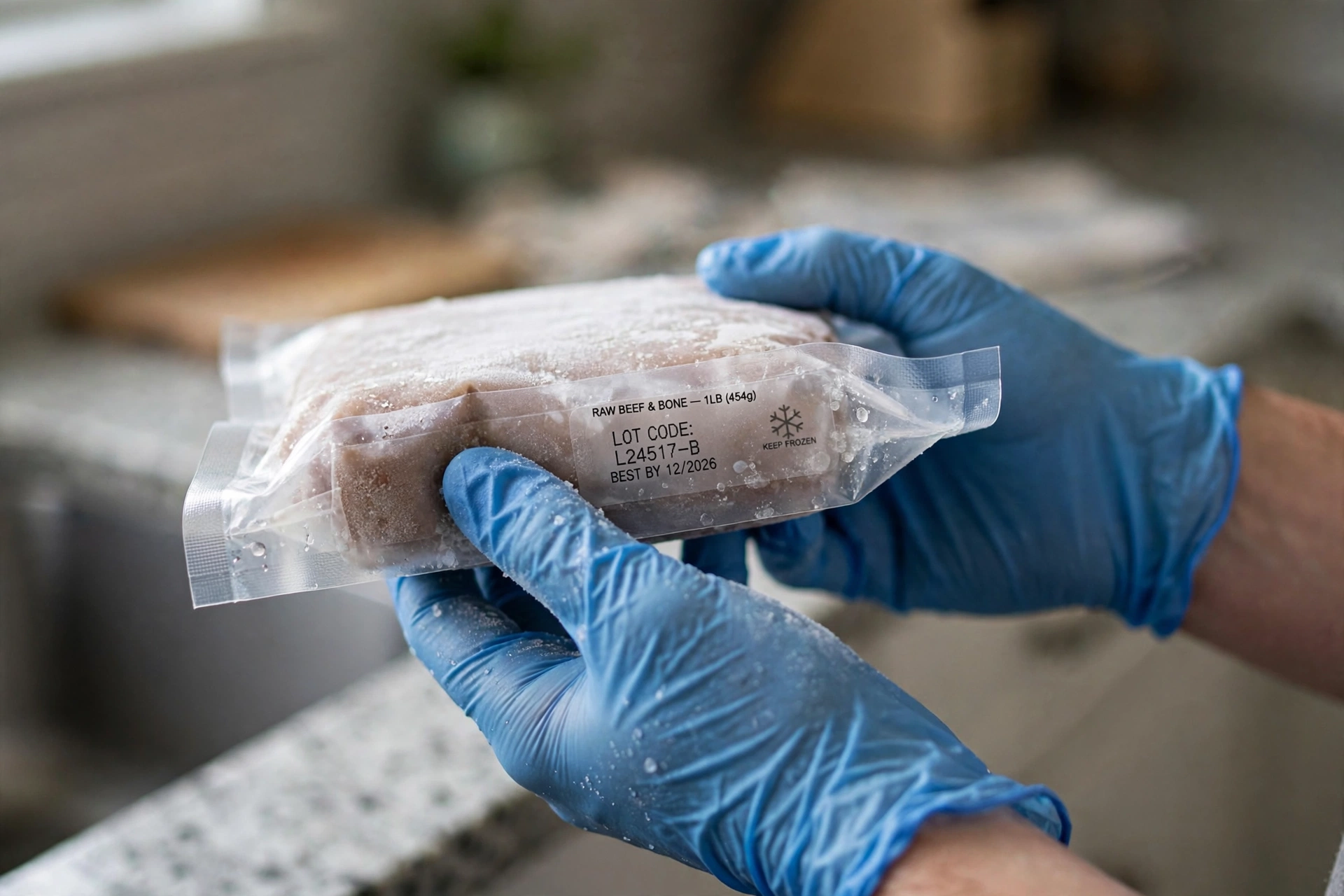
Pet owners should check the packaging of any Northwest Naturals frozen chicken products in their freezers and compare lot information against the company’s official recall notice. If the packaging matches a recalled lot, do not feed it to your pet.
Why Salmonella and Listeria Matter
Salmonella and Listeria monocytogenes can sicken the animals that eat contaminated food, but the risk does not stop with pets. People who handle contaminated raw pet food — or touch bowls, counters, and other surfaces it contacts — can also become ill, especially if they do not wash their hands thoroughly afterward.
In people, Salmonella infection typically causes nausea, vomiting, diarrhea (sometimes bloody), abdominal cramping, and fever. Listeria infection can cause headache, fever, muscle aches, confusion, loss of balance, and convulsions in severe cases. Anyone who develops these symptoms after handling a recalled product should contact a healthcare provider.
Pets infected with either pathogen may become lethargic and develop diarrhea or bloody diarrhea, fever, and vomiting. Some animals show only decreased appetite, fever, and abdominal pain. Infected but otherwise healthy pets can also become carriers, shedding bacteria without obvious symptoms.
What Pet Owners Should Do
If you have a recalled product:
- Stop feeding it immediately. Do not try to cook or salvage the food.
- Seal it in a plastic bag and throw it away where children, pets, and wildlife cannot reach it.
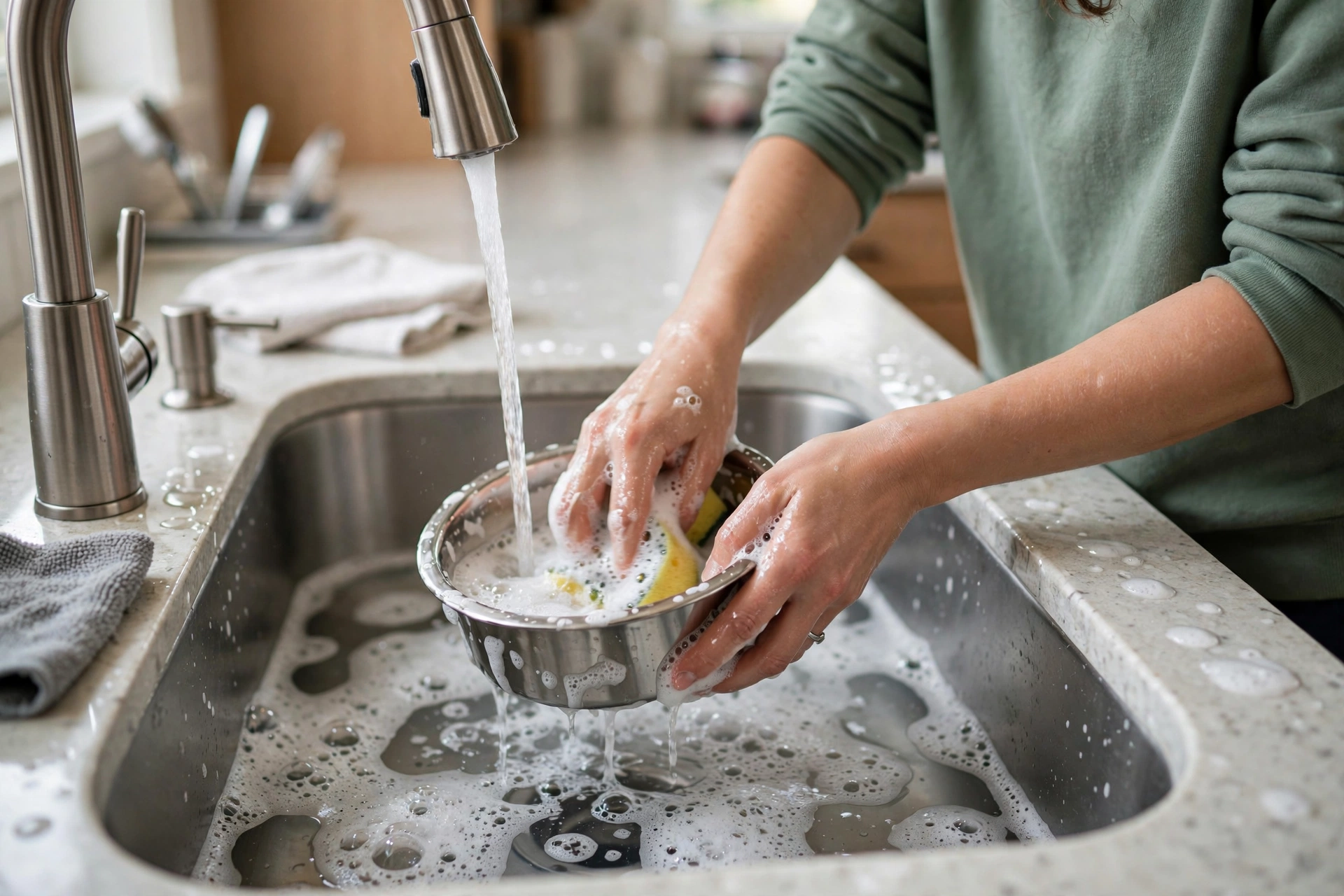
- Sanitize everything it touched — bowls, scoops, freezer shelves, countertops — with hot soapy water followed by a disinfectant.
- Wash your hands thoroughly after handling the product or cleaning up.
- Watch your pet for vomiting, diarrhea, lethargy, or loss of appetite, and call your veterinarian if symptoms appear.
How to Check If Your Product Is Affected
Start with the packaging. Frozen raw pet food bags and boxes carry lot codes, production dates, or best-by dates printed on the back or bottom panel. Compare every code on your package against the lot list in Northwest Naturals’ official recall notice — even a partial match means the product should be treated as recalled.
If you bought the food from a local pet store, call the store as well. Retailers that received recalled cases are instructed to pull them from shelves, but smaller shops do not always catch every notice immediately. A quick phone call takes two minutes and closes that gap.
Keep the packaging until the situation is resolved. Lot codes, receipts, and photos of the product help if you need a refund — and they are essential if your pet becomes ill and your veterinarian needs to identify the exposure.
Refunds and Reporting
Consumers who purchased recalled Northwest Naturals products are typically eligible for a refund or replacement through the retailer or directly from the company. Contact Northwest Naturals’ customer service with your lot information to start the process.
If your pet showed symptoms after eating a recalled product, report it. The FDA’s Safety Reporting Portal accepts consumer reports on pet food problems, and state agriculture departments track complaints that trigger wider investigations. Reports from ordinary pet owners are how many of 2026’s biggest raw pet food cases — including multi-state contamination findings — first came to regulators’ attention.
Raw Pet Food and Recurring Contamination Concerns
Frozen and freeze-dried raw pet foods have been the subject of a growing number of recalls in 2026. Federal testing has repeatedly found that raw diets carry a higher risk of harboring Salmonella, Listeria, E. coli, and Campylobacter than conventional cooked kibble — and freezing does not reliably eliminate these bacteria.
This is not the first raw pet food recall of the year. Earlier in 2026, federal investigators found multiple pathogens in raw dog food products from several manufacturers, including raw pet food recalls like the Raaw Energy case that led companies to halt production entirely. Pet owners who feed raw diets should be especially vigilant about checking recall notices, as contaminated raw food can remain in home freezers for months.
The FDA maintains a searchable database of animal food recalls and encourages pet owners to report suspected problems with pet food through its Safety Reporting Portal. (Source: company recall announcement dated October 18, 2026; FDA guidance on raw pet food safety.)