FDA Recalls Dog Biscuits Over Salmonella Contamination Risk
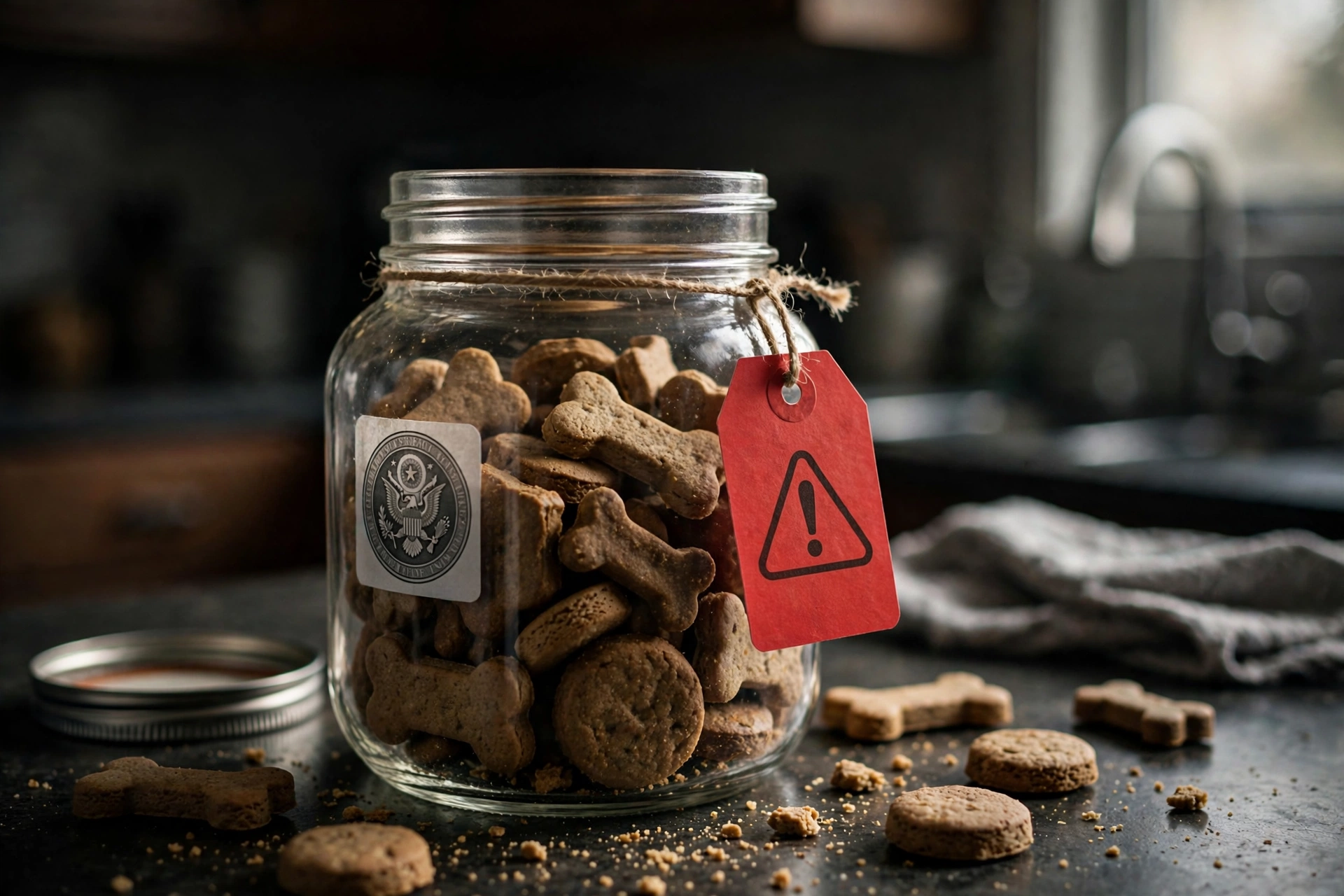
The U.S. Food and Drug Administration has announced the recall of specific dog biscuit products after testing detected Salmonella contamination, warning pet owners that the treats pose a risk to both dogs and the people who handle them.
Salmonella-contaminated dog treats are a recurring hazard. Because biscuits are often fed by hand as rewards, the bacteria transfer easily to human hands, kitchen counters, and treat jars — turning a simple training reward into a household contamination event.
Which Dog Biscuits Are Recalled
The recall covers specific lots of dog biscuits identified in the FDA recall notice. Pet owners should check the product name, lot code, and best-by date on any dog biscuit packaging in their homes against the official FDA announcement.
Do not rely on memory or brand familiarity. Recalls frequently cover only certain production lots, meaning the same brand and product line may be safe in one bag and contaminated in another. The lot code is the only reliable way to know.
Why the FDA Issues These Recalls
The FDA’s Center for Veterinary Medicine monitors pet food safety through a combination of routine surveillance sampling, consumer complaints, and reports from state agriculture departments. When Salmonella is detected in a finished pet food product, the agency works with the manufacturer on a voluntary recall — and issues a public notice so consumers can act.
Dog biscuits are particularly concerning to regulators because of how they are used. Unlike kibble poured into a bowl, biscuits are handled directly, broken into pieces by hand, carried in pockets, and stored in open containers. Each of those touchpoints is an opportunity for Salmonella to spread to human hands and surfaces.
Salmonella: The Risk to Dogs
Dogs infected with Salmonella may show:
- Vomiting and diarrhea (sometimes bloody)
- Fever and lethargy
- Loss of appetite
- Abdominal pain
Some dogs, however, show no symptoms at all while shedding the bacteria in their feces — meaning an apparently healthy dog can still contaminate the household environment. This is why the FDA treats every Salmonella-positive pet food as a public health concern, not just an animal health issue.
Salmonella: The Risk to People
People who handle contaminated dog biscuits can develop salmonellosis, with symptoms including nausea, vomiting, diarrhea, abdominal cramps, and fever, typically appearing 6 hours to 6 days after exposure. Most healthy adults recover within a week, but the infection can be severe — even life-threatening — for young children, elderly people, pregnant women, and anyone with a weakened immune system.
Children are at special risk because they are more likely to handle pet treats and then touch their faces or mouths without washing their hands. If your household includes small children, treat any recalled pet food as a household-wide hazard, not just a pet problem.
What To Do If You Have Recalled Biscuits
- Stop feeding them immediately. Remove the product from your dog’s reach.
- Seal the package in a plastic bag to prevent further contamination.
- Wash your hands thoroughly with soap and warm water after handling the product.
- Sanitize everything the biscuits touched — treat jars, countertops, training pouches, and any surfaces where crumbs may have fallen.
- Contact the retailer or manufacturer about refunds. Keep your receipt and the packaging with the lot code visible.
- Watch your dog for vomiting, diarrhea, or lethargy, and call your veterinarian if symptoms develop.
- Watch yourself and family members for gastrointestinal symptoms, and contact a healthcare provider if they appear.
How Salmonella Gets Into Dog Biscuits
Baked dog biscuits would seem like an unlikely vehicle for Salmonella — the baking process should kill the bacteria. Contamination typically happens after baking: through contact with contaminated equipment, airborne dust in the facility, contaminated coatings or flavorings applied post-bake, or handling during packaging.
This pattern has appeared in previous cases, including recent Salmonella-linked pet food recalls where post-processing contamination was identified as the likely route. It is a reminder that even shelf-stable, baked products are not automatically safe.
Safe Treat Handling — Every Day, Not Just During Recalls
- Wash hands after handling any dog treats or pet food, every time.
- Store treats in sealed containers, away from human food preparation areas.
- Keep treats away from children too young to understand hand hygiene.
- Clean treat jars and pouches regularly with hot soapy water.
- Check recall lists monthly. The FDA maintains a searchable animal food recall database — a two-minute check that can prevent a household illness.
Reporting Problems
If your dog became ill after eating these biscuits, or if you experienced symptoms yourself, report it through the FDA’s Safety Reporting Portal. Consumer reports are one of the primary ways the agency identifies contamination patterns — many recalls begin with a single pet owner’s report.
Keep the product packaging with lot codes intact until the situation is fully resolved. Lot information is essential for both refund claims and any investigation into the scope of the contamination.