How Long Do Fish Live? Aquarium Fish Lifespan Guide
How long do fish live? Far longer than most people assume. The popular image of the goldfish that lasts a few months in a bowl has convinced generations that fish are short-lived — but a well-kept goldfish can outlive your dog, and plenty of common aquarium species reach double-digit birthdays. The gap between the average and the possible comes down to a handful of factors you control.
How Long Do Fish Live? The Lifespan Table
These are realistic ranges for home aquariums — the low end is what most keepers see, the high end is what good care achieves:
| Fish | Typical lifespan | With excellent care |
|---|---|---|
| Betta | 3–5 years | 7 years |
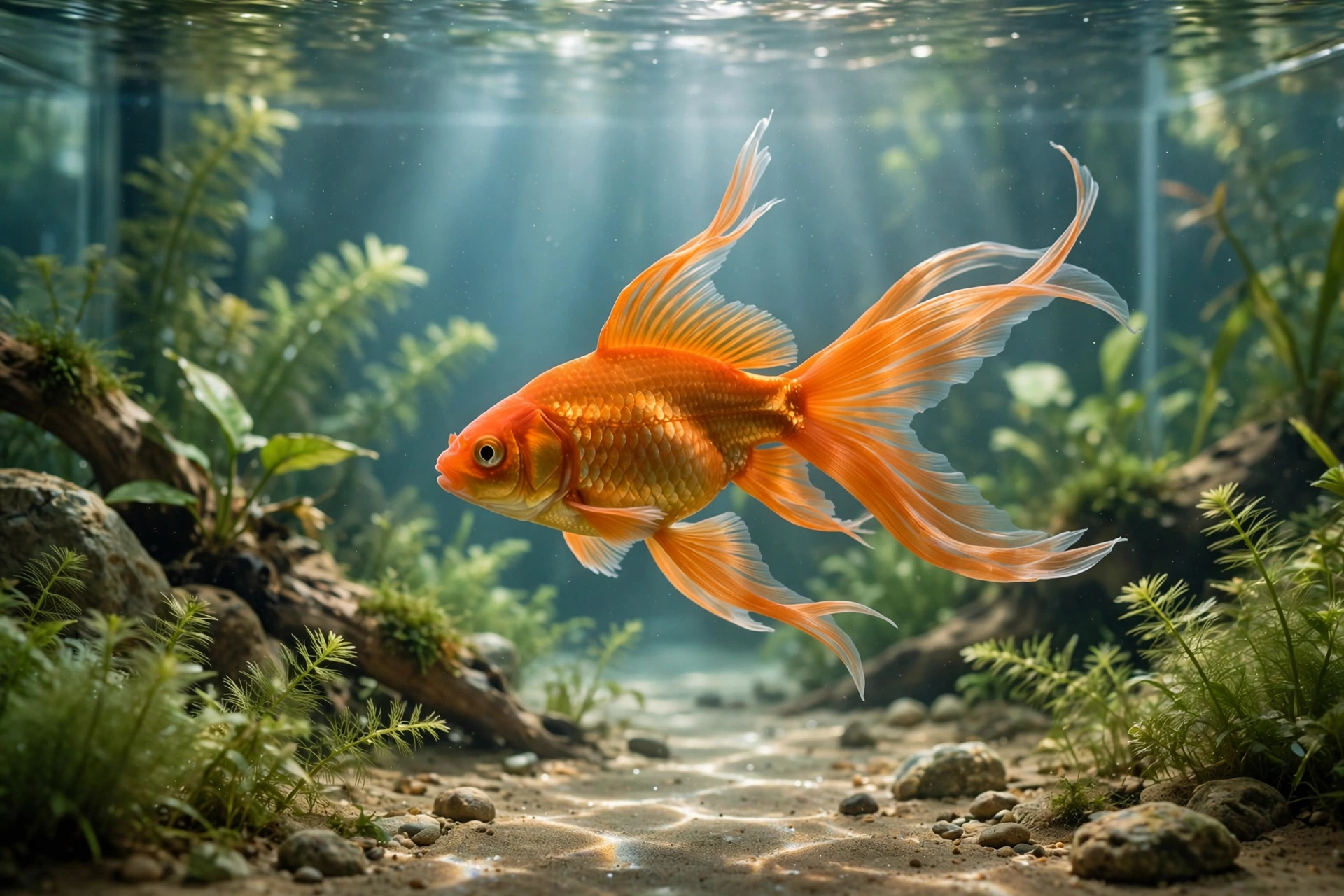
| Goldfish (fancy) | 10–15 years | 20+ years |
| Goldfish (single-tail/comet) | 15–20 years | 30+ years |
| Guppy | 2–3 years | 3–4 years |
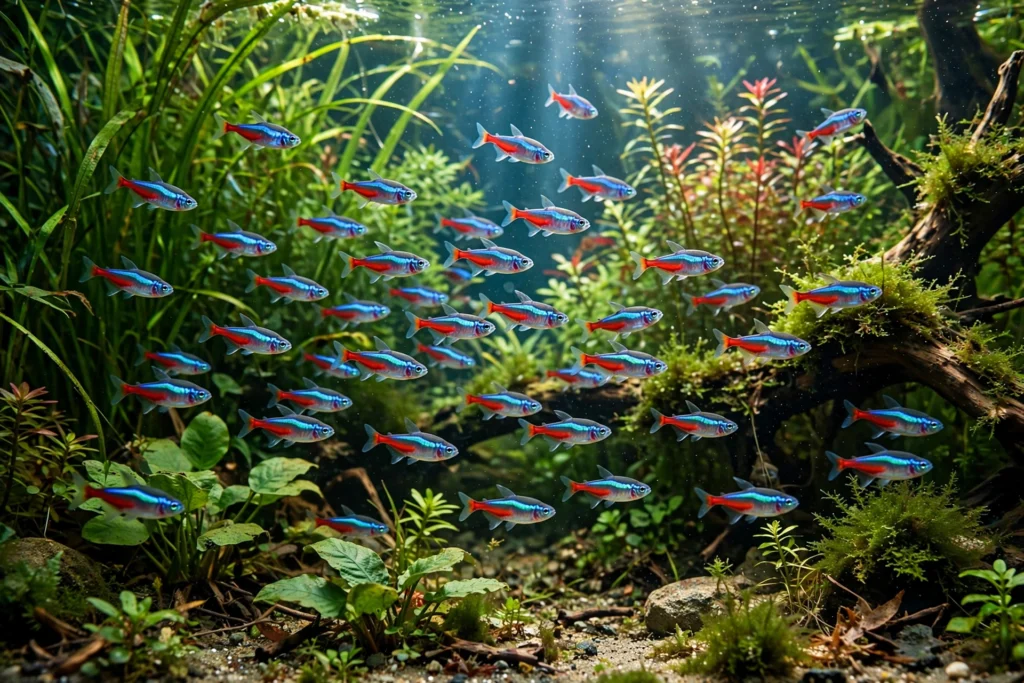
| Neon tetra | 5–8 years | 10 years |
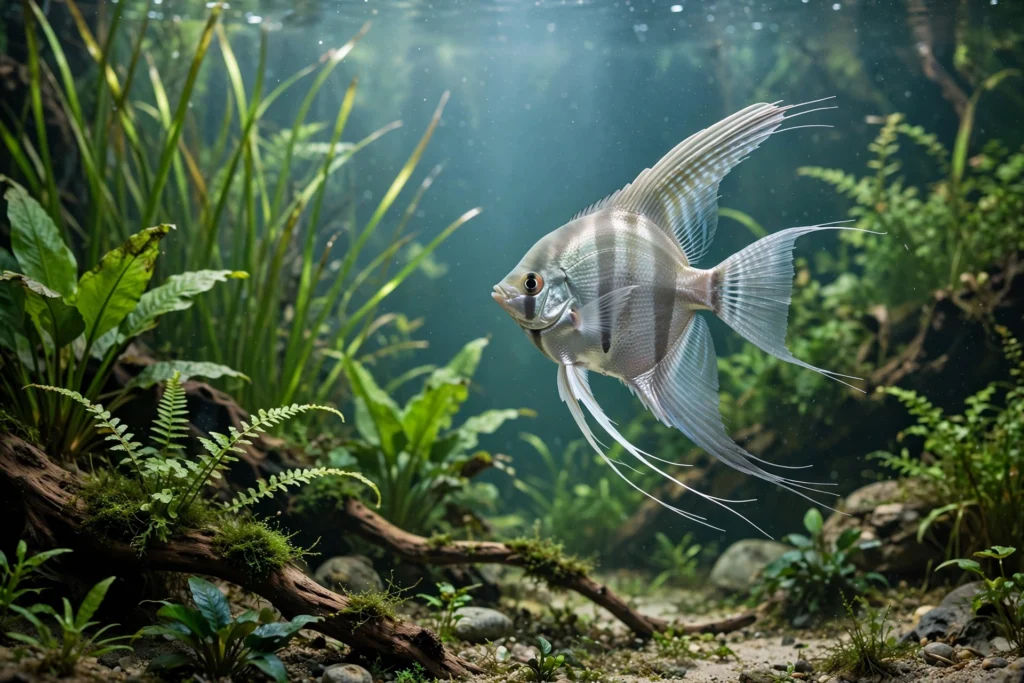
| Angelfish | 10–12 years | 15 years |
| Bristlenose pleco | 5–8 years | 12 years |
| Corydoras catfish | 5–8 years | 15+ years |
| Discus | 10–15 years | 15+ years |
| Dwarf gourami | 3–4 years | 5 years |
| Cherry shrimp | 1–2 years | 2 years |
| Koi | 25–40 years | 100+ years (documented) |
Two things jump out. First, small doesn’t always mean short-lived — neon tetras routinely outlive fish triple their size. Second, the “typical” column is depressing because most fish never get the conditions in the “excellent care” column. That gap is the whole game.
What Actually Determines How Long Fish Live
Genetics sets the ceiling. Everything below is about how close your fish gets to it.
Water Quality: The Big One
Nothing shortens a fish’s life like chronic exposure to ammonia and nitrite — even at levels too low to kill outright. A fish living in 0.25 ppm ammonia isn’t dying today, but its gills are being burned continuously, its immune system is suppressed, and every infection hits harder. Years get shaved off silently.
The fix is unglamorous: a fully cycled filter, zero ammonia, zero nitrite, and nitrates kept under 40 ppm through regular water changes. If your tank isn’t cycled yet, that single project will add more years to your fishes’ lives than anything else you can do — here’s how to cycle a fish tank properly from the start.
Tank Size
Stunting is real and it’s cruel. Fish kept in tanks too small for them don’t just stay small — their organs keep growing while the skeleton doesn’t, and the result is a shortened, unhealthy life. The classic victims are goldfish in bowls (a 20-year fish dying at two) and common plecos in 30-gallon tanks.
The rule of thumb: research the adult size, then buy the tank for the adult — not the cute juvenile at the store.
Diet
Fish fed a single flake food for years develop deficiencies you can’t see until it’s too late. Variety — quality pellets or flakes as a base, plus frozen foods like bloodworms, brine shrimp, and daphnia — covers the nutritional spread. And as with every animal, obesity shortens lives: most aquarium fish are overfed, not underfed.
Genetics and Sourcing
Some fish are bred for looks at the expense of health. Fancy goldfish with compressed bodies, balloon mollies, and certain line-bred bettas carry structural weaknesses that cap their lifespan no matter what you do. Wild-type or responsibly bred stock from a good breeder consistently outlives mass-produced fish from wholesalers.
Dwarf gouramis deserve a specific warning: the species is plagued by Dwarf Gourami Disease (an incurable iridovirus) in commercial stock, which is why their “typical” lifespan looks so bad. Honey gouramis are the hardier alternative.
Stress
Chronic stress is a lifespan killer that doesn’t show up on a test kit. Constant bullying from tankmates, no hiding places, bright lights with no shade, vibrations from a TV pressed against the glass — a stressed fish burns energy on cortisol instead of maintenance, and its immune system pays the price. A peaceful tank with cover and compatible tankmates isn’t luxury; it’s longevity.
How Long Fish Can Live: The Record Holders
The extreme end of “how long fish can live” puts the table above in perspective:
- Koi: the famous Hanako reportedly lived 226 years (scientists verified her age from scale rings). Even skeptical estimates put exceptional koi past a century.
- Goldfish: documented cases over 40 years in ponds; the often-cited Tish lived to 43.
- Greenland shark: not an aquarium fish, but worth knowing — nearly 400 years, the longest-lived vertebrate known.
- Lungfish: aquarium specimens have passed 80 years.
Nobody’s promising your neon tetra three centuries. But these records prove the same point: fish are built for long lives, and early death in captivity is almost always a care problem, not a fish problem.
How to Maximize Your Fish’s Lifespan
If you want the “excellent care” column, the checklist is short:
- Cycle the tank completely before adding fish, and never let ammonia or nitrite rise above zero afterward.
- Change water weekly — 25–30% with dechlorinated water matched for temperature. No exceptions, no “the water looks fine.”
- Stock for the adult size, not the juvenile in the store cup.
- Feed varied, protein-appropriate foods in eye-sized portions. Fast one day a week.
- Quarantine new fish for 2–4 weeks. One sick newcomer can wipe out a five-year-old community.
- Keep the peace. Research compatibility before buying, provide hiding spots, and rehome bullies instead of hoping it resolves.
- Maintain stable temperature. A reliable heater beats a fluctuating room every time — temperature swings stress immune systems.
None of this is exotic. The keepers with 15-year-old corydoras aren’t doing anything magical; they’re just doing the basics, every week, for years.
Signs of an Aging Fish
Old fish slow down gracefully if you let them:
- Reduced activity — longer rests, less frantic feeding behavior
- Faded color — gradual dulling, especially in reds and blues
- Thinner body — muscle loss despite normal feeding
- Cloudy eyes — common in very old fish, not always disease
- Longer fins fraying — bettas and angelfish especially
Adjust care rather than panicking: softer foods, slightly warmer water (within species range), gentler tankmates, and fewer water-change shocks. An old fish that still eats and responds is a fish still enjoying itself.
Why Most Aquarium Fish Die Young
It’s worth being blunt: the vast majority of aquarium fish deaths are preventable, and the causes are depressingly consistent.
The uncycled tank. The number one killer. Fish go into fresh tap water, ammonia spikes within days, and the keeper — never told about the nitrogen cycle — watches fish die “mysteriously” one by one. Every one of those fish lost years of potential life.
The bowl and the tiny tank. Carnival goldfish, bettas sold in cups, “starter kits” barely bigger than a shoebox. Small volumes mean unstable water, and unstable water means chronic, grinding stress.
Impulse stocking. The fish that “looked cool” goes home with zero research into adult size, temperament, or water needs. Incompatible tankmates fight, oversized fish stunt, and delicate species wither in the wrong parameters.
Set-and-forget maintenance. The filter runs, the water “looks clear,” and nobody tests anything for a year. Nitrates climb, pH drifts, and fish slowly decline in water that looks perfectly fine to human eyes.
None of these are mysteries. They’re the same handful of avoidable mistakes, repeated in millions of living rooms — and they’re exactly why the “typical” column in the lifespan table looks so much worse than the “excellent care” column.
Most aquarium fish die young because of invisible, cumulative care gaps — uncycled filters, chronic overfeeding, tanks two sizes too small. Close those gaps and the lifespans in the table stop looking optimistic and start looking normal. Your fish were built to last; the tank just has to let them.