Heavy Metals Found in 99% of Cat Foods: New Report
An independent laboratory test of 100 cat food products from 62 brands found detectable heavy metals in 99 percent of samples, along with traces of an herbicide and plastic-related chemicals, according to a report released in early October 2026. The findings add to a growing body of research questioning what is actually inside commercial pet food.
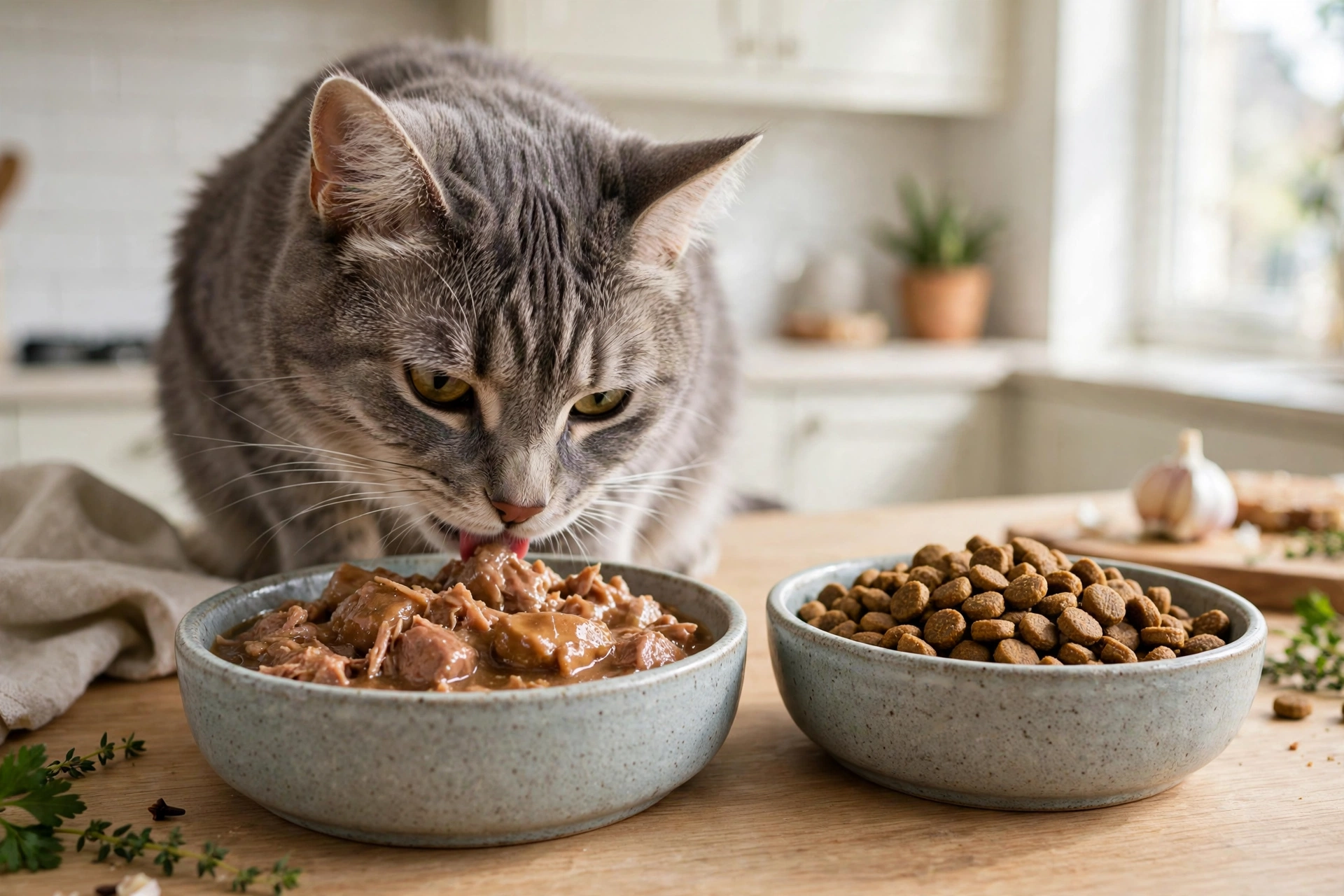
The testing, reported by dvm360 on October 7, 2026, examined a broad cross-section of the cat food market. Fish-based formulas showed higher mercury levels, while dry kibble carried roughly three times the lead of wet food formats — a pattern researchers say reflects both ingredient sourcing and manufacturing processes.
What the Testing Found
The key findings from the 100-product test:
- Heavy metals in 99% of products — nearly every sample contained detectable levels of metals such as lead, mercury, or others.
- Herbicide traces — at least one widely used herbicide was detected across the tested products.
- Plastic-related chemicals — compounds associated with plastic packaging and processing appeared in the results.
- Fish-based foods had higher mercury — consistent with how mercury accumulates in marine food chains.
- Dry food had about 3x the lead of wet food — researchers pointed to ingredient concentration and processing differences.
Why Heavy Metals End Up in Pet Food
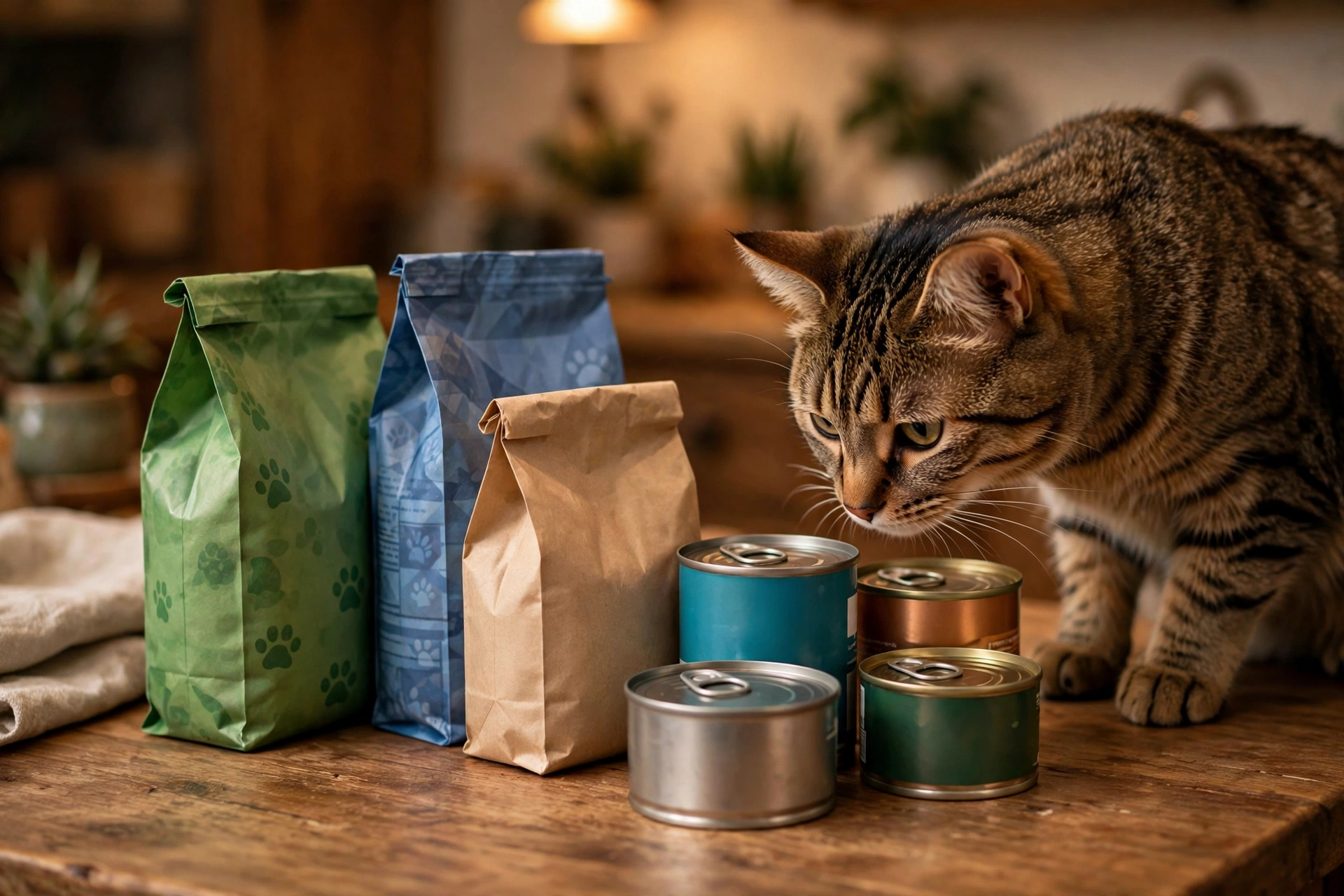
Heavy metals enter pet food through several pathways. Fish meal and fish-based ingredients can carry mercury absorbed from ocean environments. Plant ingredients grown in contaminated soil can take up lead, cadmium, and arsenic. Minerals added as nutritional supplements — iron, zinc, copper — can themselves contain trace heavy metal impurities depending on their source and refinement.
Dry kibble’s higher lead levels likely reflect concentration: removing water concentrates everything else, including contaminants. Wet foods, which are mostly moisture, dilute the same ingredient load across more volume.
It is worth noting that “detectable” does not automatically mean “dangerous.” Regulatory bodies set maximum allowable levels for certain contaminants, and trace amounts below those thresholds are generally considered acceptable. The concern raised by the report is about cumulative, long-term exposure — cats eat the same food every day for years.
What This Follows
The cat food findings land in the middle of a bruising year for pet food safety. In early October 2026, an FDA warning linked a contaminated veterinary product to serious infections in nearly 100 animals, with at least 20 euthanized. Raw pet food recalls over Salmonella, Listeria, and E. coli have piled up through 2026, including recent FDA-linked pet food recalls that forced manufacturers to stop production entirely.
Taken together, the pattern is hard to ignore: contamination problems are surfacing across veterinary products, finished foods, and supplements — not in one bad batch from one company, but across the category.
What Cat Owners Can Do
- Diversify protein sources. Rotating between poultry, meat, and fish-based foods reduces concentrated exposure from any single ingredient chain.
- Mix wet and dry. Given the lead differential, feeding at least some wet food lowers overall exposure.
- Look for transparency. Brands that publish third-party testing results or detailed sourcing information give you more to go on than those that do not.
- Don’t panic-switch foods abruptly. Sudden diet changes cause digestive upset. Transition gradually over 7-10 days if you decide to change brands.
- Talk to your vet if your cat shows unexplained chronic symptoms — lethargy, digestive issues, or neurological signs — and you are concerned about long-term exposure.
The report’s authors did not name individual brands as unsafe, and no recall was issued in connection with these findings. But for owners, the takeaway is straightforward: what is in the bag matters, and it is worth paying attention to. (Source: independent laboratory report summarized by dvm360, October 7, 2026.)