What Eats Algae? The Best Algae Eaters for Your Tank
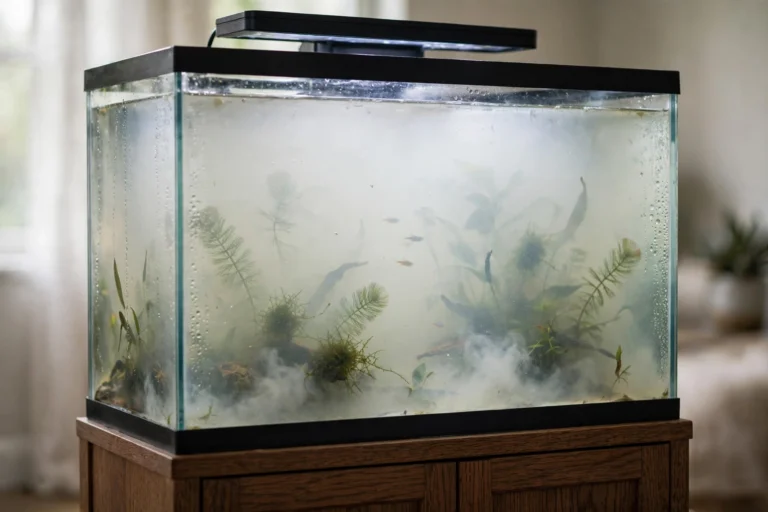
Algae happens to every tank. The question isn’t whether you’ll get it — it’s what eats algae best once it shows up. The good news: there’s a whole cleanup crew of fish, shrimp, and snails that treat algae like an all-you-can-eat buffet. But not every “algae eater” sold in stores is a good choice. Some stop eating algae as adults, some outgrow your tank, and some eat your plants instead. Here’s the honest rundown.
The Best Algae-Eating Fish
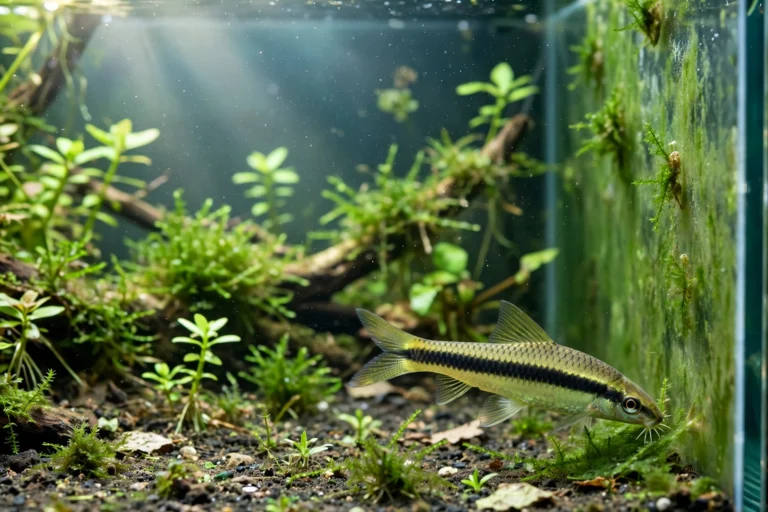
Siamese Algae Eater
The undisputed champion. The only commonly available fish that eats black beard algae — the toughest algae in the hobby. Peaceful, hardy, grows to about 6 inches. Get the true Siamese algae eater, not the Chinese algae eater (more on that imposter below).
Otocinclus Catfish (Otos)
Tiny (1–2 inches), peaceful schooling catfish that graze soft green algae and diatoms constantly. Best kept in groups of 6+. Delicate when first introduced — drip-acclimate them — but hardy once settled.
Bristlenose Pleco
Stays small (4–5 inches, unlike the common pleco that hits 2 feet). Excellent glass and driftwood cleaner. One per tank is plenty; they produce a lot of waste for their size.
Mollies and Guppies
Often overlooked, but livebearers graze soft algae and biofilm all day. Not primary algae eaters, but solid supporting crew in a community tank.
The Best Algae-Eating Shrimp
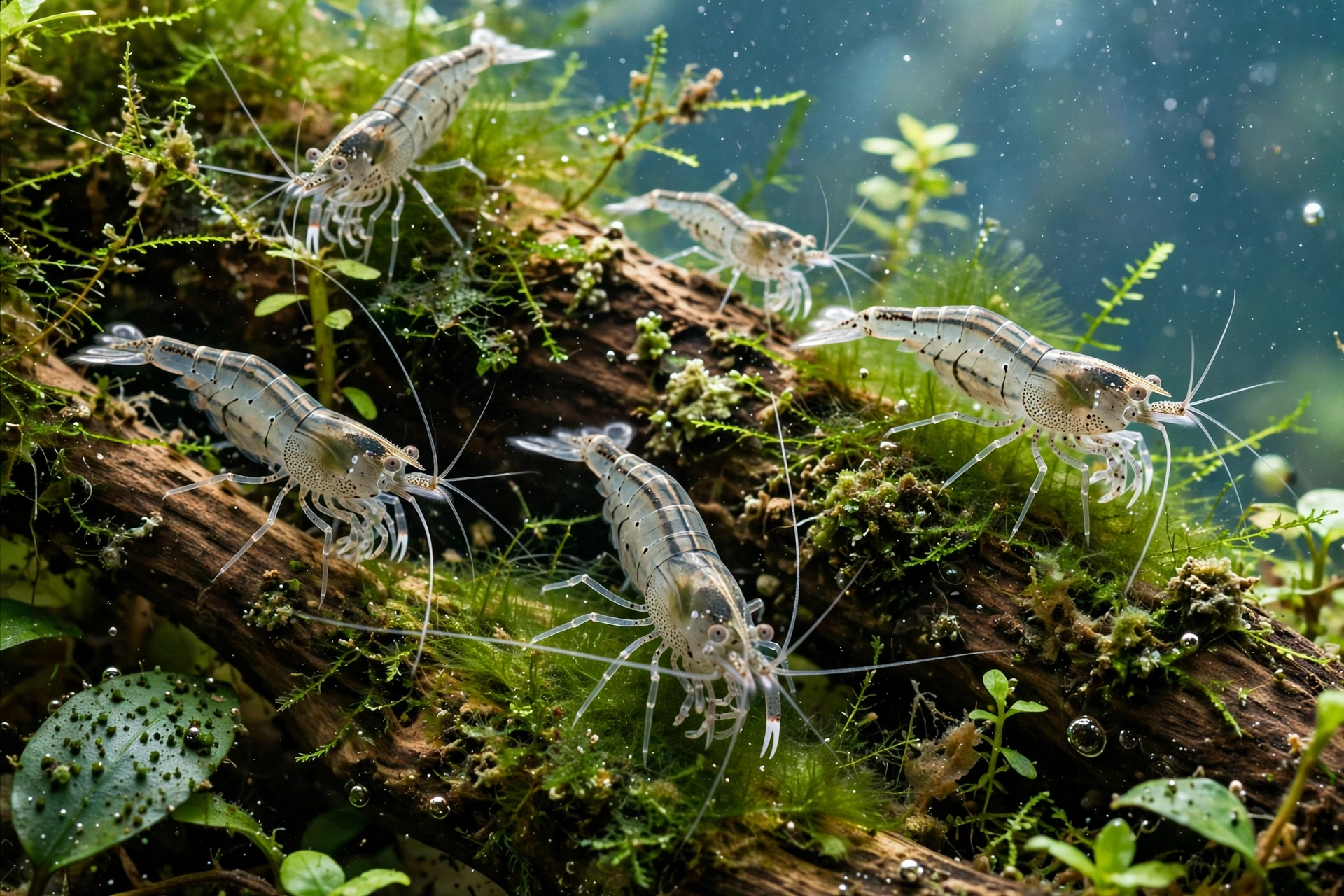
Amano Shrimp
The hardest-working shrimp in the hobby. A group of 5–6 Amanos will strip a tank of soft algae in days. Larger and bolder than cherry shrimp, so they survive with most community fish.
Cherry Shrimp
Breed readily, graze biofilm and soft algae constantly. A self-sustaining colony means free algae control forever. Keep with peaceful fish only.
The Best Algae-Eating Snails
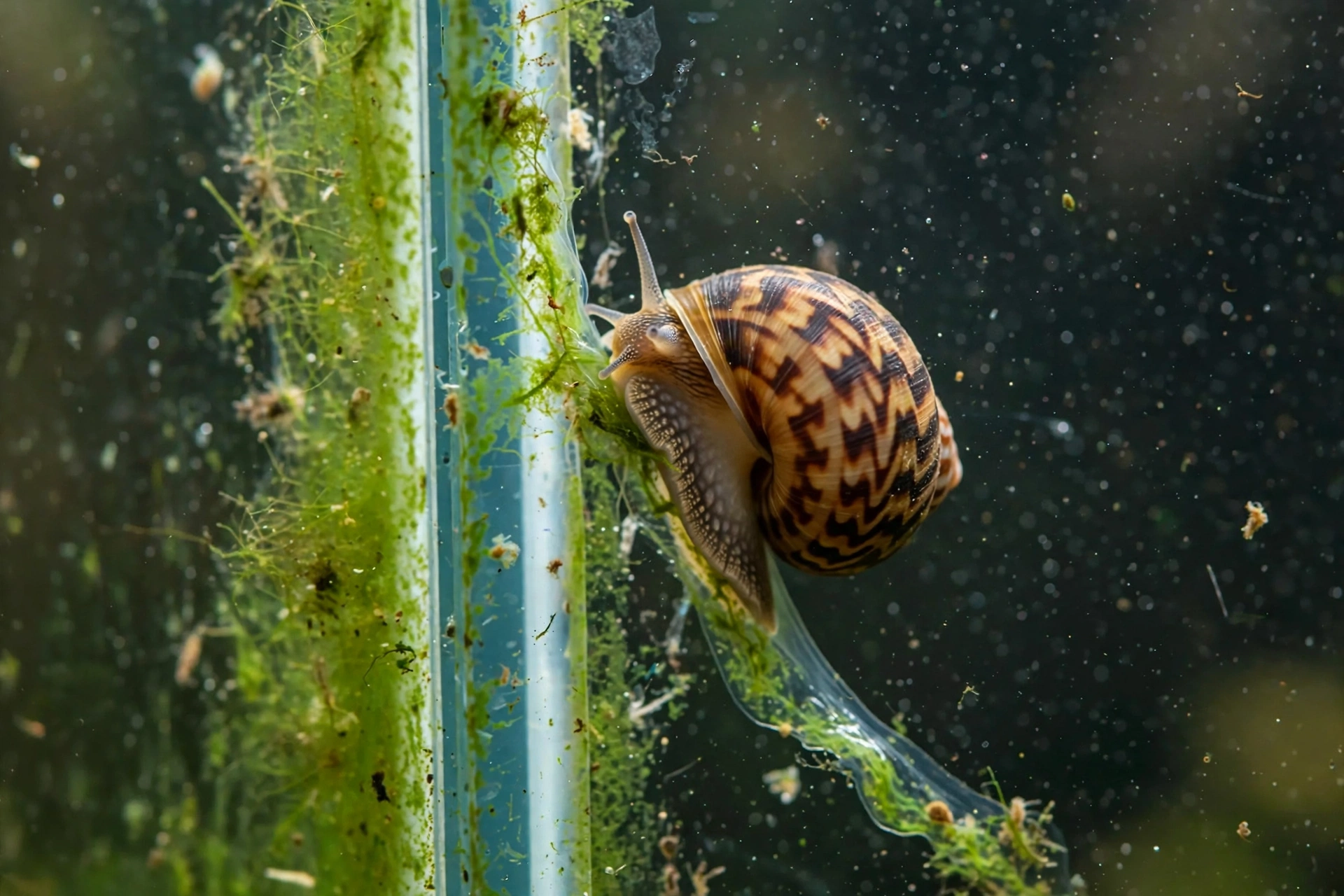
Nerite Snails
The best snail, full stop. Eat every algae type including the green spot algae nothing else touches. Can’t reproduce in freshwater, so no pest-snail explosion. The only downside: they lay tiny white eggs on hardscape that don’t hatch.
Mystery Snails
Bigger, more visible, fun to watch. Good at soft algae and leftover food. Need calcium-rich water for shell health.
Malaysian Trumpet Snails
Burrow in substrate, eat detritus and algae, aerate the gravel. They breed fast, but in a balanced tank the population self-regulates.
Algae Eaters to Avoid
Chinese Algae Eater: sold as a Siamese algae eater lookalike. Stops eating algae as an adult, grows to 10+ inches, and sucks the slime coats off other fish. Common Pleco: sold as a cute 2-inch baby, grows to 2 feet, produces enormous waste. Needs a pond, not your 20-gallon.
The Truth About Algae Eaters
No algae eater fixes the cause of algae — they treat the symptom. If your tank grows algae faster than the crew can eat it, you have a light or nutrient imbalance: usually too much light, overfeeding, or excess nitrates. The real fixes are a light timer at 6–8 hours daily, feeding only what fish eat in 2 minutes, weekly water changes, and fast-growing live plants.
How Many Do You Need?
For a 20-gallon tank: 1 bristlenose pleco OR 3–4 Siamese algae eaters, 6 otocinclus, 5–6 Amano shrimp, 2–3 nerite snails. Scale with tank size, and always research adult size before buying.
Stock the right crew, fix the underlying imbalance, and algae becomes a minor chore instead of a constant battle. Start with nerites and Amanos — the highest-impact, lowest-risk additions for almost any tank.